DBM101M16K01 is a 10.1-inch ultra-high-resolution mono TFT-LCD module designed for advanced resin 3D printing and other precision imaging applications. Featuring an exceptional 15120 × 6230 resolution, ultra-fine 14 × 19 μm dot pitch, LTPS TFT technology, MIPI interface, and optical specifications referenced at 405 nm, this mono LCD module provides a high-density display solution for next-generation SLA and other professional resin 3D printer platforms.
The module uses a FOG (Film on Glass) configuration, giving 3D printer manufacturers greater flexibility when designing the optical stack, backlight system, mechanical structure, and overall printer architecture. With a 10.1-inch diagonal size, 211.68 × 118.37 mm active area, and compact 227.43 × 139.50 mm panel outline, DBM101M16K01 is suitable for equipment where high resolution and efficient mechanical integration are important.
For manufacturers developing professional resin 3D printers, the combination of extreme pixel density, mono display architecture, LTPS technology, MIPI connectivity, and 405 nm optical characterization makes DBM101M16K01 a strong candidate for high-resolution display integration.
High-resolution display technology is increasingly important in professional resin 3D printing. As printer manufacturers pursue smaller features, finer layer structures, higher exposure precision, and more sophisticated machine interfaces, the display module becomes an important part of the overall system architecture.
The DBM101M16K01 10.1-inch mono LCD module provides several characteristics that make it suitable for demanding 3D printing applications.
The panel provides a native resolution of 15120 × 6230 pixels, placing it in the ultra-high-resolution category. Its extremely fine 14 × 19 μm dot pitch enables very high pixel density within a compact 10.1-inch display area.
For resin 3D printing equipment, this type of high-density mono display architecture can support highly detailed image reproduction when correctly integrated with the printer's optical engine, UV light source, controller, and exposure system.
DBM101M16K01 specifies its optical performance with a 405 nm backlight unit reference, including a minimum contrast ratio of 300 and typical panel transmittance of 4.1% with polarizer.
Because 405 nm is widely used in resin-based 3D printing systems, this optical characterization can be particularly useful for engineering teams evaluating compatibility with existing optical architectures.
Actual printer performance, however, depends on the complete optical system rather than the LCD alone. Light source uniformity, optical distance, cooling, diffuser configuration, controller settings, and resin characteristics should all be evaluated during system integration.
The module uses LTPS TFT technology, which supports the high-density pixel architecture required by ultra-high-resolution display designs.
For equipment manufacturers, LTPS technology can provide an appropriate platform for compact, high-pixel-density display applications where conventional panel architectures may not meet the required resolution density.
DBM101M16K01 is supplied in FOG configuration. This allows system designers to develop the surrounding optical and mechanical structure according to their equipment requirements.
FOG integration can be advantageous for specialized 3D printer designs because manufacturers can evaluate the display together with the appropriate optical components, backlight arrangement, mechanical support structure, and thermal management system.
The module uses a MIPI interface, providing a compact high-speed interface option for compatible display controllers and system electronics.
Before integration, engineers should confirm MIPI lane configuration, timing requirements, electrical characteristics, controller compatibility, PCB layout, and signal integrity based on the latest technical documentation.
| Category | Parameter | Specification |
|---|---|---|
| Product Model | Model Number | DBM101M16K01 |
| Display Size | Diagonal Size | 10.1 inch |
| Display Type | Display Technology | Mono TFT-LCD |
| TFT Technology | TFT Type | LTPS |
| Resolution | Native Resolution | 15120 × 6230 |
| Pixel Architecture | Dot Pitch | 14 × 19 μm |
| Display Mode | Mode | Normal Black |
| Shipment Configuration | Configuration | FOG |
| Active Area | AA | 211.68 × 118.37 mm |
| CF Outline | CF Outline Dimension | 227.43 × 133.50 mm |
| Panel Outline | Overall Panel Dimension | 227.43 × 139.50 mm |
| Border | U / D / L / R | 5.13 / 16 / 7.875 / 7.875 mm |
| Contrast | Contrast Ratio | 300 min. @ 405 nm BLU |
| Transmittance | Panel Transmittance with POL | 4.1% typ. @ 405 nm BLU |
| Interface | Display Interface | MIPI |
| Frame Rate | Typical Frame Rate | 20 Hz |
| Operating Temperature | Working Range | 0°C to 70°C |
| Storage Temperature | Storage Range | -10°C to 80°C |
Note: The specifications above are based on the available DBM101M16K01 product information. Engineering teams should request the latest datasheet, mechanical drawing, electrical specifications, timing requirements, reliability information, and interface documentation before final product design.
For a high-resolution mono LCD used in a professional 3D printer, mechanical integration is as important as the nominal resolution.
DBM101M16K01 has an active area of 211.68 × 118.37 mm and a total panel outline of 227.43 × 139.50 mm. The defined upper, lower, left, and right border dimensions help engineers evaluate the available installation space inside a printer enclosure.
The FOG configuration also provides flexibility for developing the surrounding optical system. During mechanical design, manufacturers should consider mounting pressure, panel flatness, optical distance, thermal expansion, cable routing, connector clearance, and protection against vibration.
For resin printer applications, thermal management should also be considered carefully. Although the specified operating temperature range is 0°C to 70°C, the temperature of the complete LCD assembly may depend on the UV light source, cooling fan arrangement, enclosure structure, optical components, and operating duty cycle.
A prototype evaluation is therefore recommended before mass production.
DBM101M16K01 is primarily suited to advanced resin-based 3D printing systems where extremely high display resolution is an important part of the machine architecture.
The ultra-fine dot pitch and high native resolution make the module appropriate for evaluating next-generation exposure and imaging systems.
SLA printer manufacturers can evaluate the panel for professional equipment requiring high-resolution monochrome image generation.
Its 405 nm optical reference is particularly relevant to systems designed around 405 nm optical architectures.
For manufacturers developing new generations of high-detail resin printers, the panel can be evaluated as part of a complete LCD exposure system.
The final printing resolution and feature quality depend on the complete optical architecture, including the LCD, UV light source, lens or optical layer, cooling system, resin, exposure parameters, and mechanical alignment.
Research institutions and advanced equipment developers can use ultra-high-resolution mono display technology when investigating new exposure strategies, high-detail resin materials, or specialized additive manufacturing processes.
Selecting an ultra-high-resolution mono LCD is only the first step in developing a professional 3D printing display system.
Engineers should evaluate several factors before committing to production.
Controller compatibility: The MIPI interface must be matched with the selected display controller and system processor.
Optical matching: The LCD should be evaluated together with the intended 405 nm optical system rather than treated as an isolated component.
Thermal management: UV illumination and continuous operation can generate heat around the display assembly. Cooling design should be validated under actual operating conditions.
Mechanical installation: The 227.43 × 139.50 mm panel outline and specified border dimensions should be incorporated into the printer's mechanical design.
Signal integrity: Ultra-high-resolution MIPI systems require appropriate PCB routing, impedance control, power integrity, and connector design.
Reliability validation: Prototype testing should include thermal cycling, continuous operation, vibration where applicable, optical stability, and system-level performance evaluation.
Aptus Display can work with customers during the evaluation stage to help determine whether the panel's optical, electrical, mechanical, and environmental characteristics match the intended application.
Shenzhen Aptus Technology Co., Limited, operating through Aptus Display, specializes in LCD display modules and customized display solutions for professional equipment manufacturers and system integrators.
The company's display portfolio covers a broad range of TFT-LCD, mono LCD, touch panel, and display-related solutions for specialized applications. Aptus works with customers that require specific display sizes, resolutions, interfaces, brightness levels, optical characteristics, mechanical dimensions, and integration requirements.
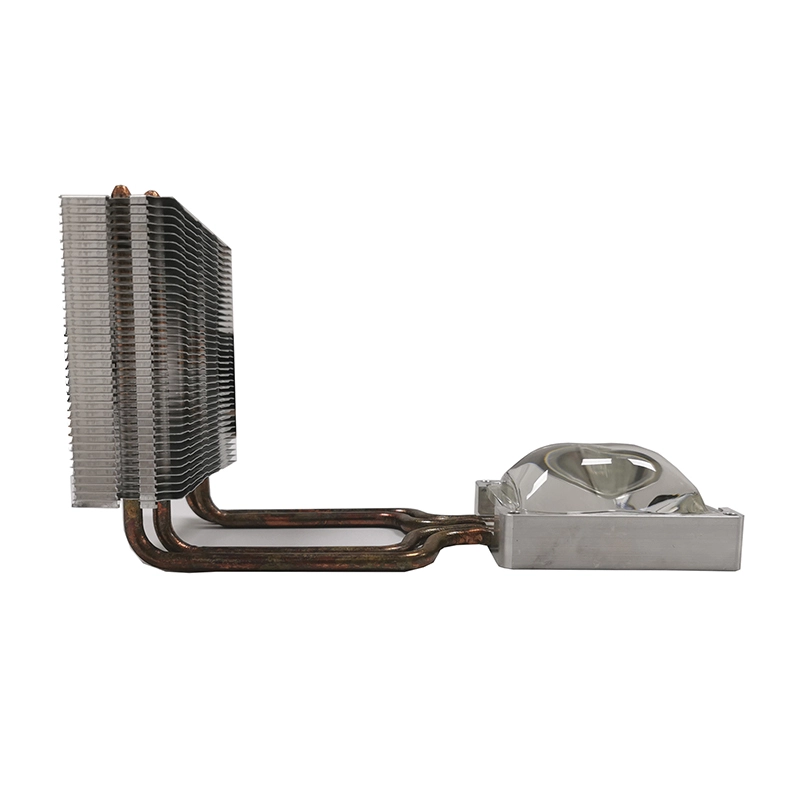
For advanced 3D printing applications, engineering considerations can extend beyond the panel itself. A successful display implementation may require coordination between the LCD, display controller, interface board, UV light source, optical structure, cable assembly, mechanical enclosure, and thermal management system.
Aptus Display's engineering-oriented approach focuses on providing customers with technical information that can be used during product selection, prototype development, qualification, and volume production.
For project-specific requirements, customers are encouraged to provide the target printer architecture, required resolution, interface, optical wavelength, available installation space, expected operating environment, and estimated production volume.
Yes. DBM101M16K01 is an ultra-high-resolution mono TFT-LCD module that is particularly suitable for evaluation in advanced resin 3D printing systems. Its 15120 × 6230 resolution, 14 × 19 μm dot pitch, LTPS technology, and 405 nm optical reference make it relevant to high-resolution resin printing applications.
The native resolution is 15120 × 6230 pixels, providing an ultra-high-resolution mono display architecture within a 10.1-inch panel.
The specified dot pitch is 14 × 19 μm, supporting the panel's extremely high pixel density.
The optical specifications are characterized with a 405 nm BLU reference, including a minimum contrast ratio of 300 and typical panel transmittance of 4.1% with polarizer. System-level compatibility should still be verified with the customer's complete 405 nm optical architecture.
DBM101M16K01 uses a MIPI interface. Engineers should confirm the detailed electrical and timing specifications with Aptus before selecting the host controller.
The module is specified as FOG, providing greater flexibility for manufacturers developing their own optical and mechanical integration structure.
The specified operating temperature range is 0°C to 70°C, while the storage temperature range is -10°C to 80°C.
Yes. Aptus can discuss project-specific requirements including mechanical integration, interface compatibility, optical matching, sample evaluation, and volume production requirements. Customization feasibility depends on the specific project and required modifications.
For professional equipment manufacturers, selecting a display supplier involves more than comparing resolution and price. Long-term project success depends on technical communication, documentation, product consistency, engineering support, and supply capability.
Aptus Display provides customers with an engineering-focused approach to display sourcing and integration, helping customers evaluate display specifications before moving from prototype development to production.
Key advantages include:
Display industry experience supporting professional and specialized equipment applications.
Broad LCD solution capability, including TFT-LCD, mono LCD, touch panel, and customized display solutions.
Engineering support for interface, mechanical, optical, and system-level integration.
Customized solutions for projects with specific dimensions, resolutions, interfaces, or integration requirements.
Technical documentation to support engineering evaluation and product qualification.
B2B project support for samples, prototype development, production planning, and volume supply.
If you are developing a high-resolution SLA, resin 3D printer, professional additive manufacturing system, or specialized imaging platform, DBM101M16K01 can be evaluated as a potential ultra-high-resolution mono LCD solution.
When contacting Aptus Display, we recommend providing the following project information:
Target application and printer type
Required LCD size and resolution
405 nm optical architecture
MIPI controller or processor information
Available mechanical installation area
Expected operating temperature
Required sample quantity
Estimated annual production volume
Customization requirements
Our engineering and sales team can then review the application and provide the appropriate technical documentation, sample information, and project support.
For technical inquiries about DBM101M16K01, including samples, mechanical drawings, interface specifications, optical evaluation, customization, and volume supply, contact the Aptus Display team through the company's website.
DBM101M16K01 combines 15120 × 6230 ultra-high resolution, 14 × 19 μm dot pitch, LTPS TFT technology, MIPI connectivity, FOG configuration, and 405 nm optical characterization in a compact 10.1-inch mono LCD module. For manufacturers developing the next generation of high-resolution resin 3D printers, it provides a strong starting point for evaluating advanced LCD exposure and imaging architectures.
👉 Request a quote or sample
📧 Or email us directly: info@aptusdisplay.com
Click here for the complete product catalog
LCD driver board: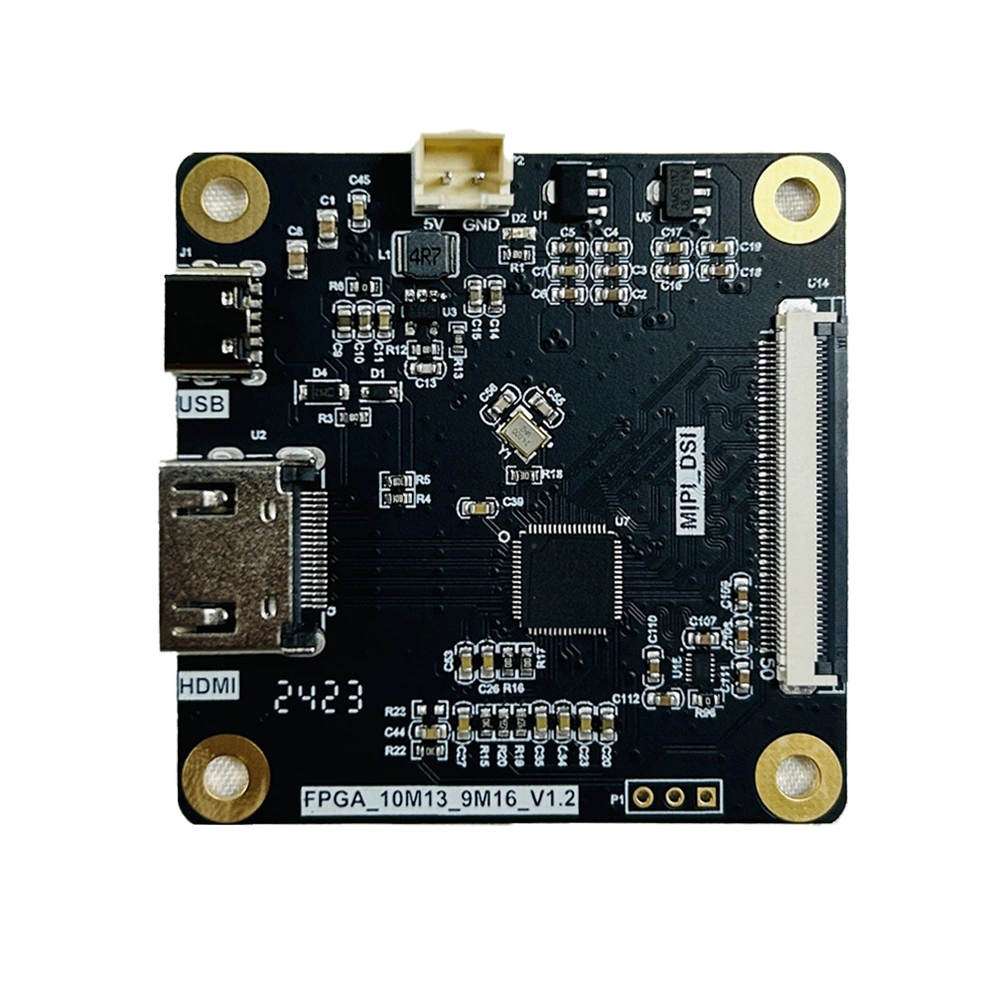
UV curing light systems: