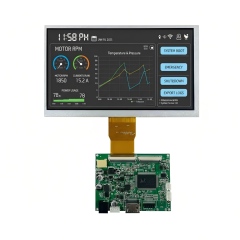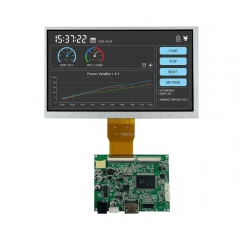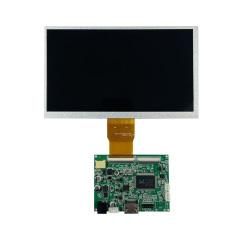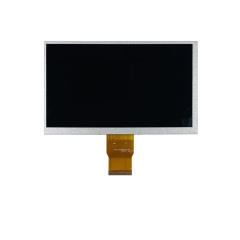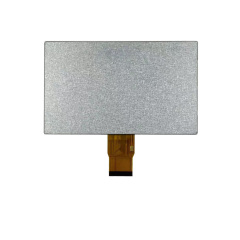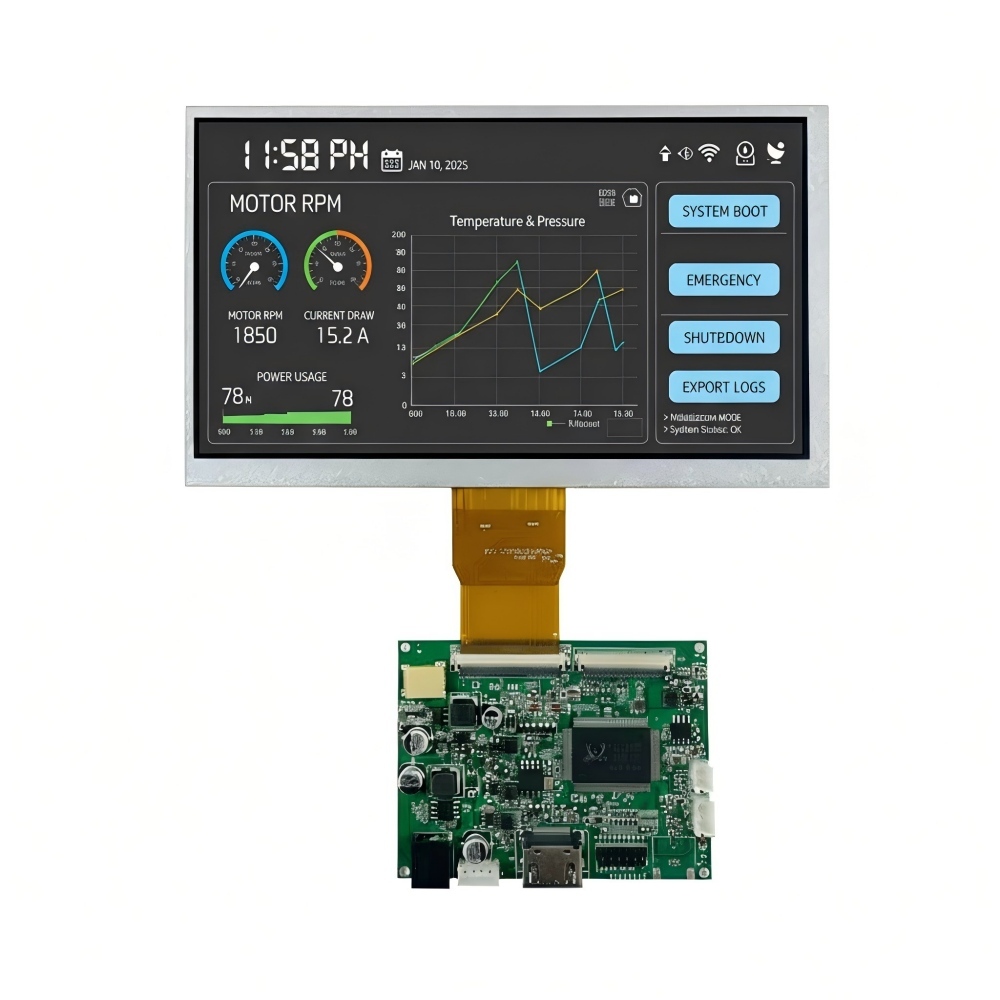
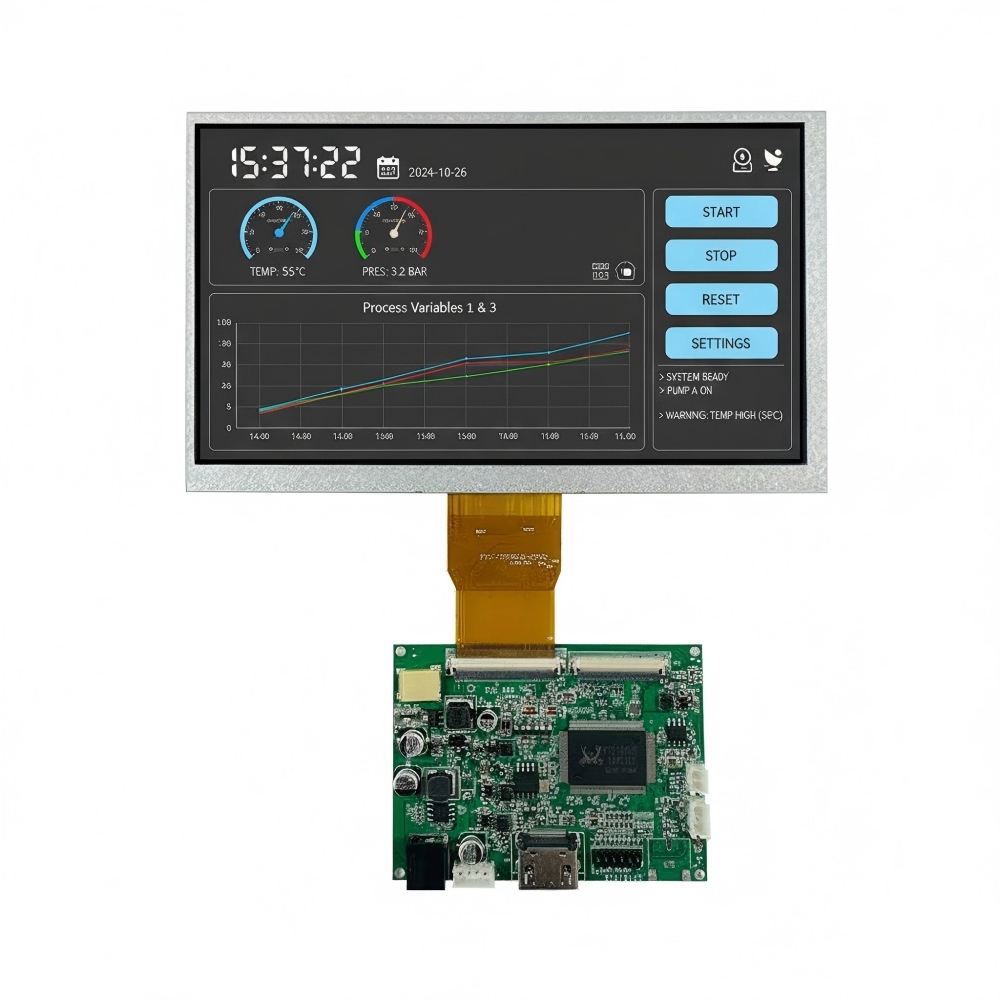
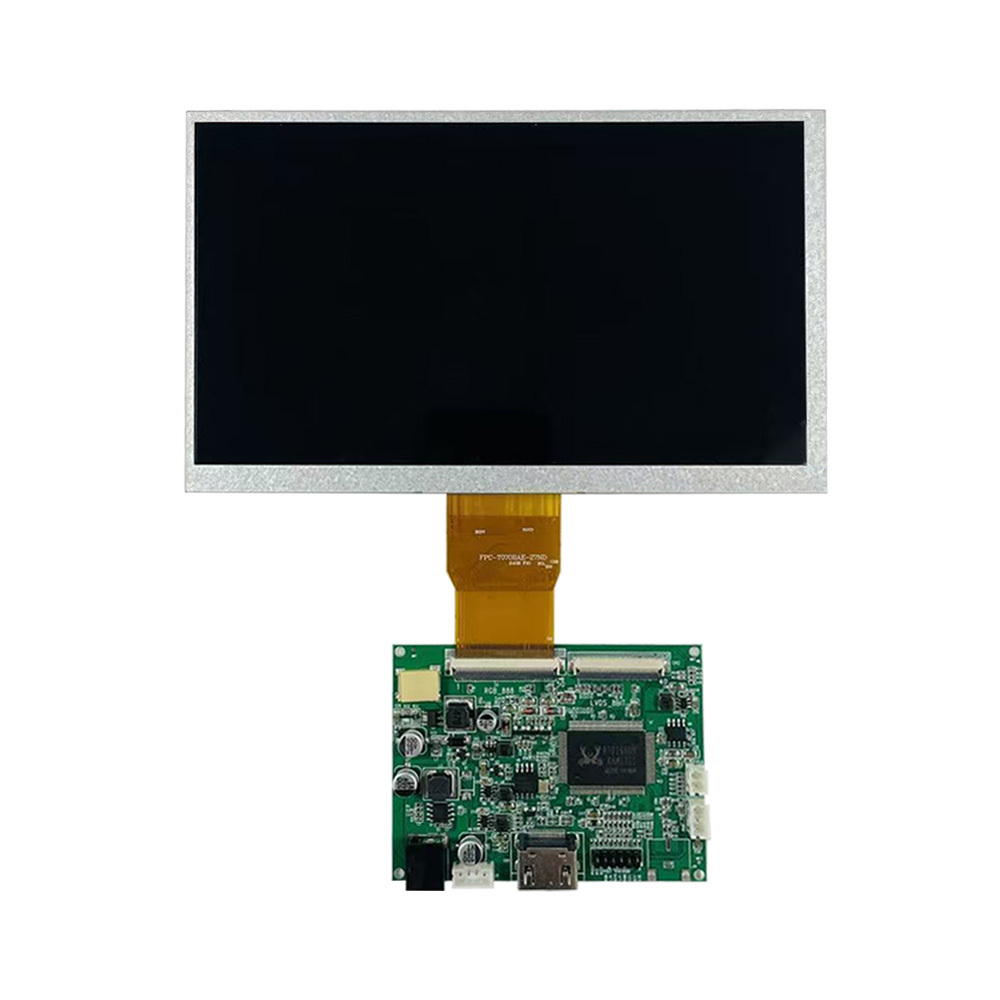
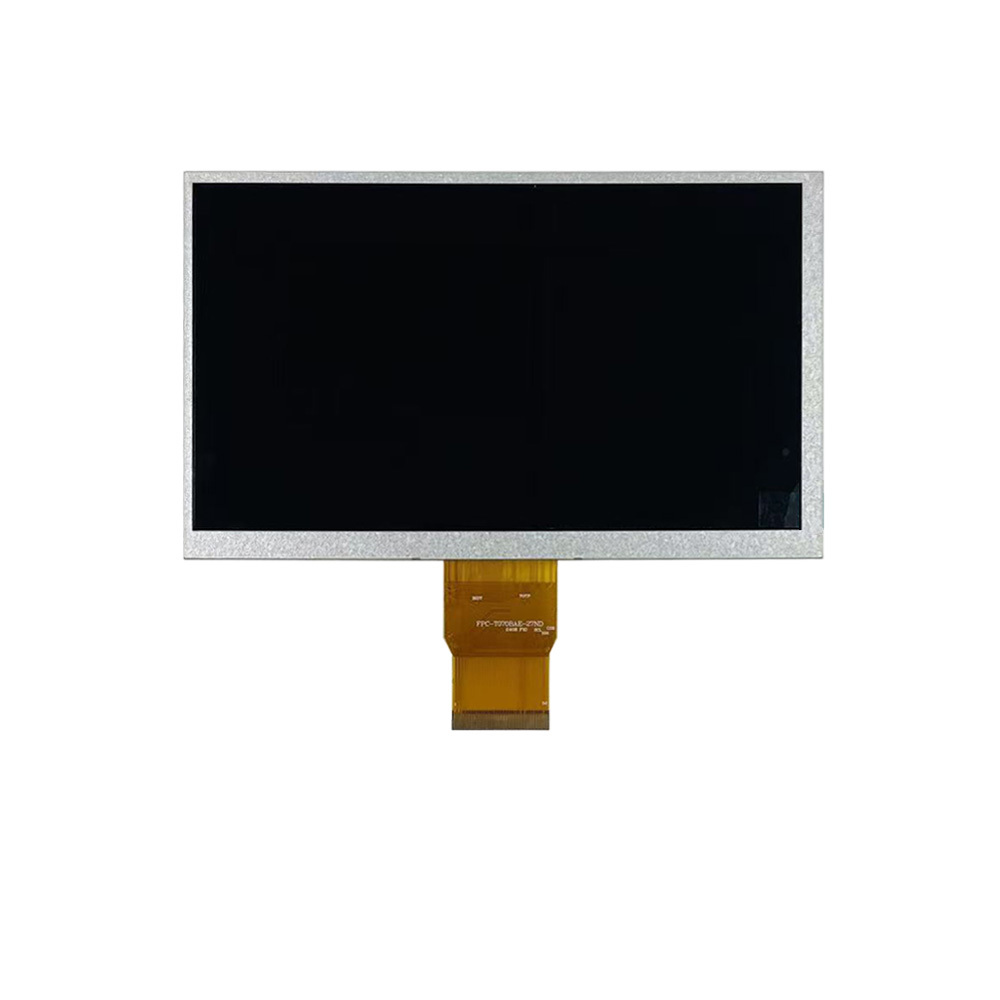
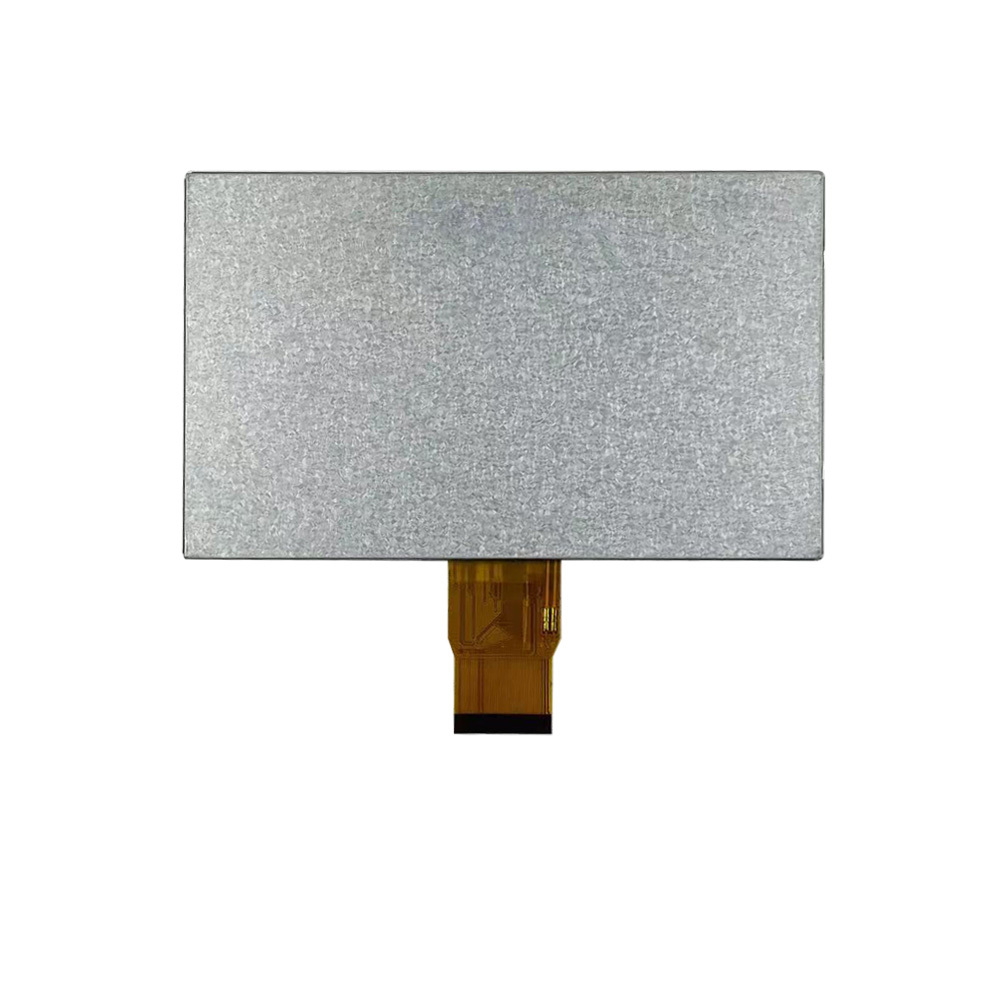
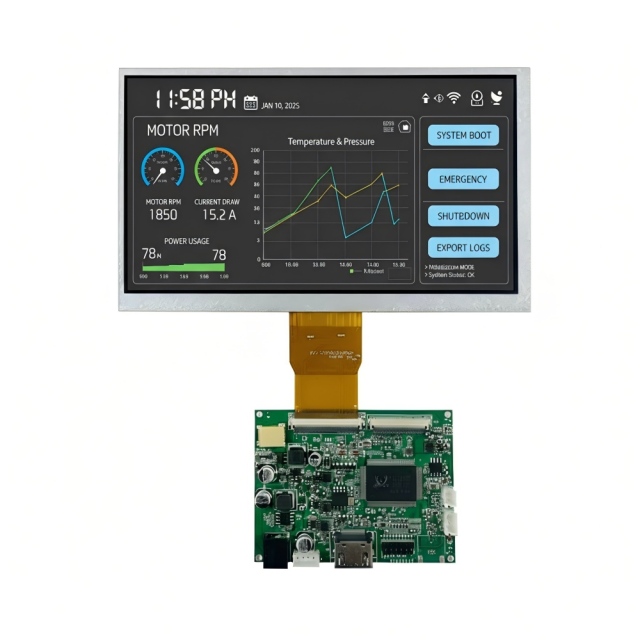
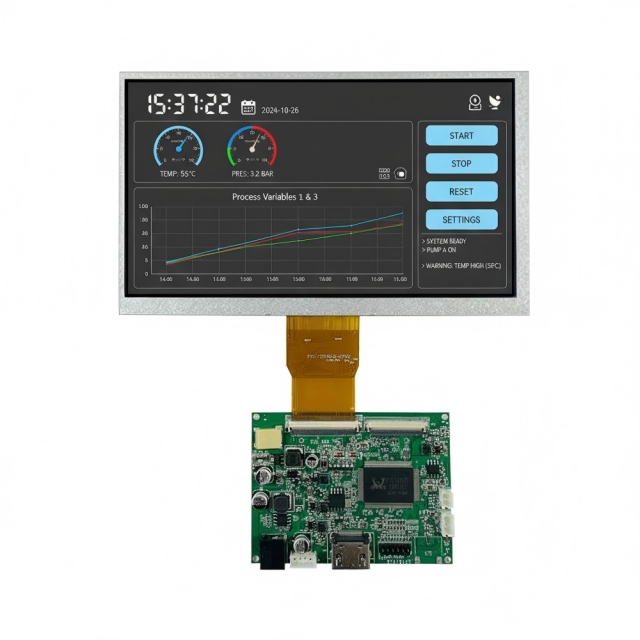
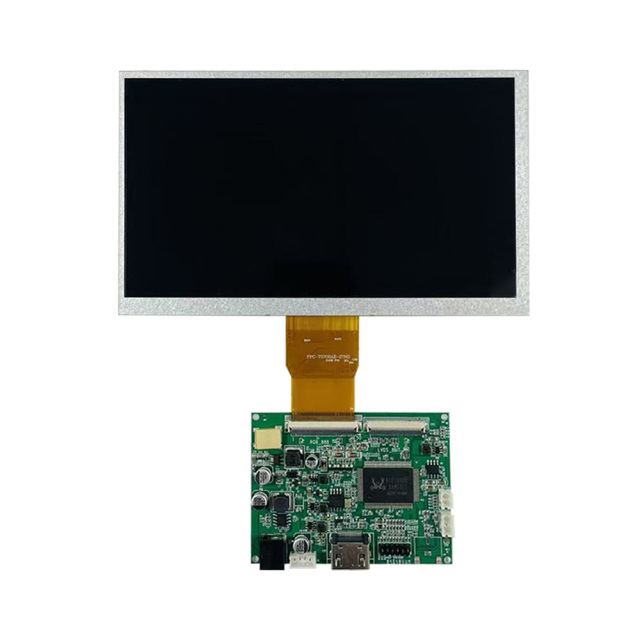
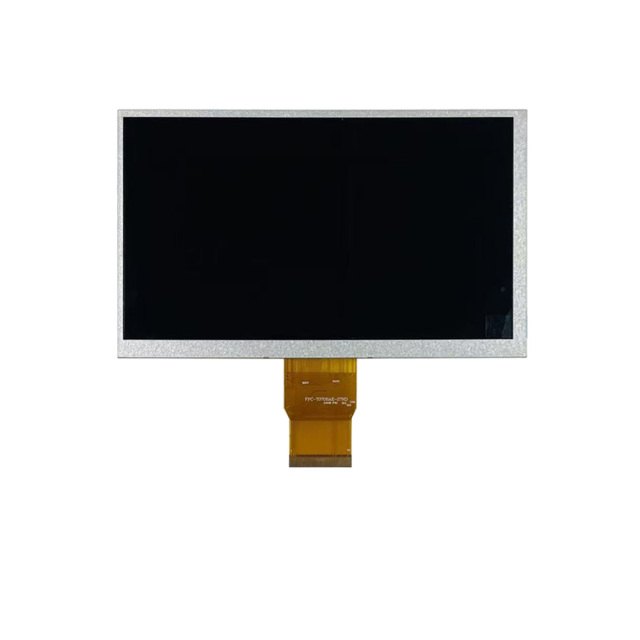
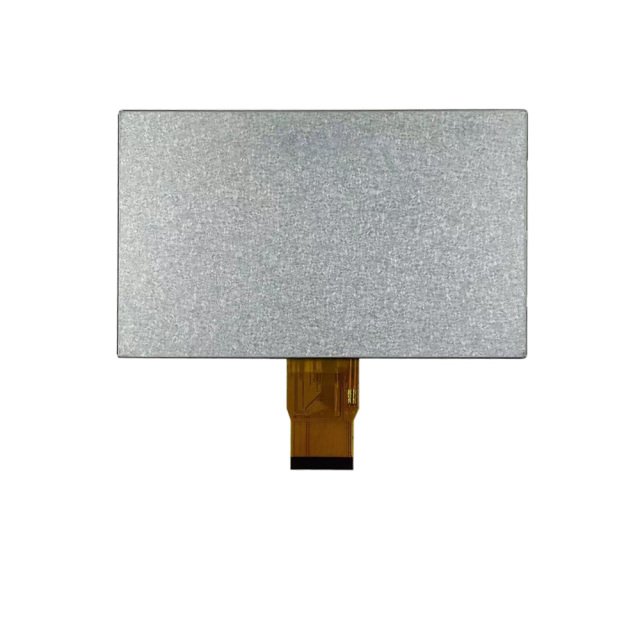
The 7-inch 800×480 wide temperature LCD module is intended for applications where a conventional TFT display may not provide sufficient environmental tolerance. Its 7-inch size is large enough to present operating parameters, menus, machine status, alarms, measurement data, and graphical interfaces while remaining compact enough for embedded equipment.
The 800×480 resolution provides a 5:3 display format that is widely used in industrial HMI and embedded equipment. It can support graphical user interfaces containing buttons, icons, status indicators, numerical data, process diagrams, and equipment configuration menus.
The wide-temperature design is particularly important for equipment exposed to significant temperature changes. Depending on the exact product configuration, Aptus Display offers wide-temperature LCD solutions for demanding environments, including products designed for operation from sub-zero temperatures to elevated temperatures. The exact operating and storage temperature range should always be confirmed against the latest product datasheet before mass production.
The product page associated with this URL currently contains inconsistent specifications, so engineering teams should request the latest datasheet and drawing when selecting this display for a new project.
A 7-inch LCD is a popular format for industrial control and embedded equipment because it provides enough visual space without requiring a large enclosure.
The display can be integrated into machine control panels, operator terminals, automation equipment, agricultural machinery, testing instruments, and other systems where operators need to view information from a relatively short distance.
Its size also makes it easier to design a dedicated HMI compared with using a much larger commercial display.
The 800×480 pixel resolution is suitable for many embedded control interfaces. Engineers can use the available display area for system menus, machine parameters, alarm notifications, graphs, icons, and real-time operating information.
For equipment that does not require extremely high pixel density, 800×480 can provide a good combination of usability and system resource requirements.
Temperature tolerance is one of the primary reasons to select this type of LCD.
Industrial equipment may be installed in locations where the ambient temperature is substantially different from a typical office environment. Examples include factory floors, outdoor cabinets, agricultural machinery, construction equipment, transportation systems, and field instruments.
A wide-temperature LCD is designed to maintain more reliable display performance under these changing thermal conditions.
For a production project, however, the display's specified operating temperature should be matched against the actual temperature inside the equipment enclosure. Engineers should consider not only ambient temperature but also heat generated by processors, power supplies, LED backlights, driver boards, and other components.
The module is based on TFT-LCD technology and is intended for professional embedded applications rather than general consumer display use.
This makes it appropriate for manufacturers developing dedicated equipment that requires a reliable display component with predictable mechanical and electrical characteristics.
The 7-inch format allows manufacturers to create compact control panels while maintaining sufficient visual area for operator interaction.
When integrating the module, designers should consider the complete module outline, active display area, connector position, FPC or cable routing, mounting method, bezel structure, and required clearance.
Aptus can also discuss mechanical customization when the standard configuration does not match the customer's enclosure.
The following table is structured for the product page and should be finalized against the latest Aptus engineering datasheet before publication. The current URL contains conflicting product information, particularly around resolution, brightness, and interface, so these fields should be verified before being presented as final engineering specifications.
| Parameter | Specification |
|---|---|
| Product Type | Wide Temperature TFT LCD Module |
| Display Size | 7.0 inch |
| Resolution | 800 × 480 pixels |
| Display Technology | TFT-LCD |
| Application | Industrial / Embedded Display |
| Display Format | 800 × 480 |
| Interface | Please confirm latest product configuration |
| Brightness | Please confirm latest product configuration |
| Viewing Angle | Please confirm latest product configuration |
| Active Area | Please confirm latest engineering drawing |
| Module Dimensions | Please confirm latest engineering drawing |
| Operating Temperature | Wide-temperature configuration; confirm exact range |
| Storage Temperature | Please confirm latest datasheet |
| Touch Panel | Optional / Customizable |
| Driver Board | Available depending on interface |
| Customization | Available |
| OEM/ODM Support | Available |
Important: Aptus's current page content should be technically reviewed before publishing this table as the final specification. The same page currently displays 1024×600, 550 cd/m², 50-pin RGB and -20~+70°C in its product header, while its description refers to an 800×480, 500 cd/m² product.
A display is often one of the most visible components of industrial equipment, but it is also one of the components directly exposed to the equipment's operating environment.
When temperature changes significantly, LCD characteristics can change. Low temperatures can affect liquid crystal response, while high temperatures can affect backlight life, electrical stability, contrast, and long-term reliability.
This is why selecting a display based only on screen size and resolution may not be sufficient for industrial applications.
A wide-temperature LCD allows the display specification to be considered as part of the complete environmental design of the machine.
For example, an outdoor agricultural controller may experience cold mornings, hot afternoons, direct solar heating, and rapid temperature transitions. Similarly, construction machinery can operate in environments with large temperature variations. Industrial automation equipment may be installed in workshops where heat generated by machinery raises the internal cabinet temperature.
The appropriate LCD solution therefore needs to be evaluated together with the enclosure, thermal design, backlight, driver electronics, and installation environment.
One of the most suitable applications for a 7-inch wide-temperature LCD is an industrial Human-Machine Interface.
The display can provide operators with machine status, process parameters, alarm messages, control buttons, production information, and equipment configuration menus.
Its compact format allows manufacturers to build integrated operator panels without using a large commercial monitor.
Automation machinery frequently requires an integrated display for setup, diagnostics, and monitoring.
The LCD can be considered for production-line equipment, PLC-based systems, robotic control stations, assembly machinery, packaging machines, and industrial automation terminals.
A wide-temperature specification can provide additional design flexibility when the display is installed inside equipment exposed to elevated or low temperatures.
Agricultural equipment operates in environments that can vary significantly depending on season, region, and time of day.
Displays used in tractors, agricultural controllers, irrigation systems, planting equipment, harvesting machinery, and field monitoring devices may need to operate reliably outside a controlled indoor environment.
A wide-temperature LCD can therefore be an important component for agricultural equipment manufacturers.
Construction machinery can operate in hot, cold, dusty, and continuously changing environments.
A 7-inch embedded display can be integrated into operator control systems, equipment monitoring panels, diagnostic terminals, and machine-control interfaces.
The final design should also consider enclosure protection, vibration, shock, sunlight readability, and connector reliability according to the specific machine requirements.
Measurement equipment needs to present numerical information and graphical data clearly.
Potential applications include field testers, industrial meters, data acquisition equipment, monitoring instruments, and professional test systems.
The 800×480 resolution provides sufficient interface space for many embedded measurement applications while maintaining a relatively compact system footprint.
The display can also be evaluated for outdoor equipment installed in protected enclosures.
Examples include environmental monitoring systems, outdoor control cabinets, infrastructure equipment, energy-related terminals, and field monitoring devices.
For direct sunlight applications, wide temperature capability alone is not sufficient. The optical design should also consider brightness, anti-glare treatment, optical bonding, cover glass, and thermal management.
Selecting a wide-temperature LCD requires more than confirming the screen size.
The actual internal temperature of an enclosure can be significantly higher than the surrounding ambient temperature.
Engineers should calculate the worst-case temperature based on ambient conditions, solar radiation, internal electronics, airflow, enclosure design, and installation location.
The selected LCD should have an operating temperature range that provides sufficient margin for the intended application.
Interface compatibility is critical.
Before integrating the display, engineers should verify the exact interface type, connector pin count, signal mapping, timing requirements, power supply, and host-controller compatibility.
Because the current Aptus page contains inconsistent interface information, customers should request the latest datasheet before designing the host PCB around this product.
Brightness requirements depend heavily on the installation environment.
Indoor factory equipment may require a different brightness level from an outdoor control terminal. Direct sunlight applications may require high-brightness backlighting combined with anti-glare or optical bonding solutions.
Aptus can evaluate brightness requirements based on the customer's installation environment.
If the display will be used as an operator interface, touch functionality may be required.
Aptus supports touch panel solutions and can evaluate capacitive or resistive touch panel requirements, cover glass, bonding, mechanical integration, and related components.
Integrating the touch panel during the initial design phase can help reduce mechanical redesign and improve the overall appearance of the final HMI.
Industrial equipment manufacturers often require specifications that are not available from a standard LCD catalog.
Aptus Display supports customized display solutions based on project requirements. Its service scope includes TFT LCD module customization, touch panel integration, brightness adjustment, mechanical adaptation, driver-board solutions, cables, and other display accessories.
The company also provides customized LCD monitor solutions and can support housing design, cover protection, and system-level integration requirements.
For OEM projects, customers can provide the required display size, resolution, interface, brightness, temperature range, touch requirements, mechanical drawing, annual quantity, and application environment. Aptus can then evaluate whether an existing module is suitable or whether a customized configuration should be developed.
This project-oriented approach is particularly useful for industrial customers that need a display to fit an existing product architecture rather than simply purchasing a generic consumer LCD.
Aptus Display is the display solutions brand of Shenzhen Aptus Technology Co., Ltd., specializing in LCD display products, customization, and display integration for professional applications.
According to the company's website, Aptus focuses on TFT LCD modules, industrial displays, touch panel LCD modules, wide-temperature displays, flight simulator displays, bar-type LCD displays, automotive LCD solutions, and other specialized display products.
The company provides display-related engineering services including LCD module customization, touch panel integration, driver boards, cables, optical bonding, and other accessories.
Aptus also maintains dedicated product categories for wide-temperature LCD displays and industrial display solutions, reflecting its focus on applications that require more specialized display characteristics than standard consumer panels.
For OEM and ODM customers, this means the display can be evaluated not only as an individual LCD component but also as part of a broader display solution.
Choosing an LCD supplier for an industrial product is a long-term decision. The supplier needs to understand not only display specifications but also integration, environmental conditions, mechanical constraints, and production requirements.
Aptus Display provides:
Professional TFT LCD module solutions
Wide-temperature LCD options
Industrial display customization
Touch panel integration
Driver-board solutions
LCD cable and accessory support
Mechanical customization
OEM and ODM cooperation
Engineering and sample evaluation
Support for volume production
For manufacturers developing industrial equipment, automation systems, agricultural machinery, measurement devices, and embedded terminals, Aptus can evaluate the complete project requirement and recommend an appropriate display configuration.
A wide-temperature LCD module is designed for applications where the display must operate across a broader temperature range than a standard commercial LCD. It is commonly used in industrial equipment, outdoor embedded systems, agricultural machinery, transportation equipment, and field instrumentation.
Yes. A 7-inch 800×480 display is a practical format for many industrial HMI applications. It provides sufficient screen area for menus, machine parameters, alarm information, status indicators, and graphical interfaces while maintaining a compact equipment footprint.
It can be considered for outdoor embedded applications when the complete configuration meets the environmental requirements. However, outdoor use requires more than temperature tolerance. Brightness, sunlight readability, anti-glare treatment, enclosure design, thermal management, moisture protection, and mechanical durability should also be evaluated.
Yes. Aptus Display provides touch panel integration and customization services. Customers can discuss capacitive or resistive touch requirements, cover glass, bonding, controller compatibility, and mechanical integration.
Depending on the selected LCD interface and application requirements, Aptus can provide or recommend a compatible LCD driver board. The host interface and required video input should be confirmed during the engineering evaluation stage.
Yes. Aptus supports customized LCD solutions for OEM and ODM projects. Customization may include brightness, touch panel, interface-related solutions, cables, driver boards, mechanical structure, and other display components.
Because the current product URL contains inconsistent specifications, customers should request the latest datasheet, dimensional drawing, and interface information from Aptus before finalizing the hardware design.
If you are developing an industrial HMI, automation machine, agricultural controller, measurement instrument, outdoor embedded system, or other professional equipment requiring a 7-inch 800×480 wide-temperature LCD module, Aptus Display can help evaluate your project requirements.
👉 Request a quote or sample
📧 Or email us directly: info@aptusdisplay.com
Click here for the complete product catalog