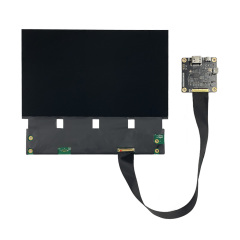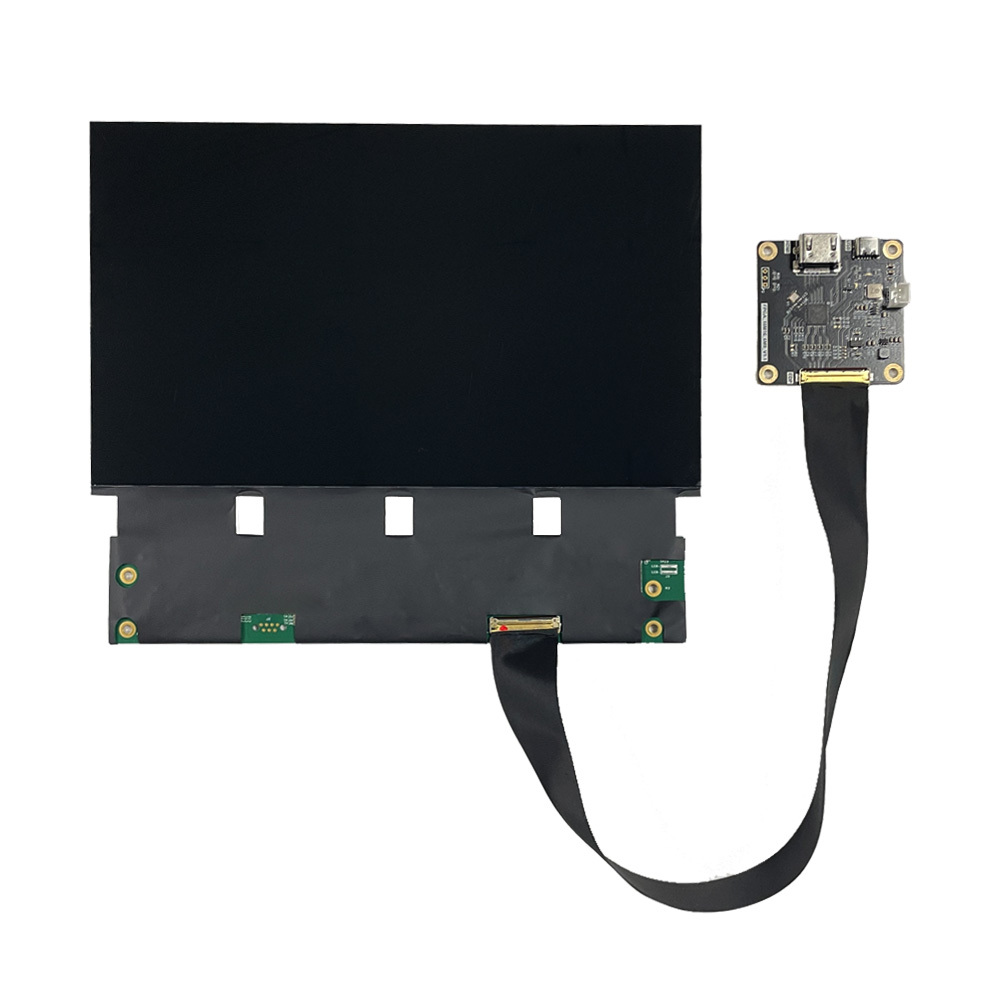
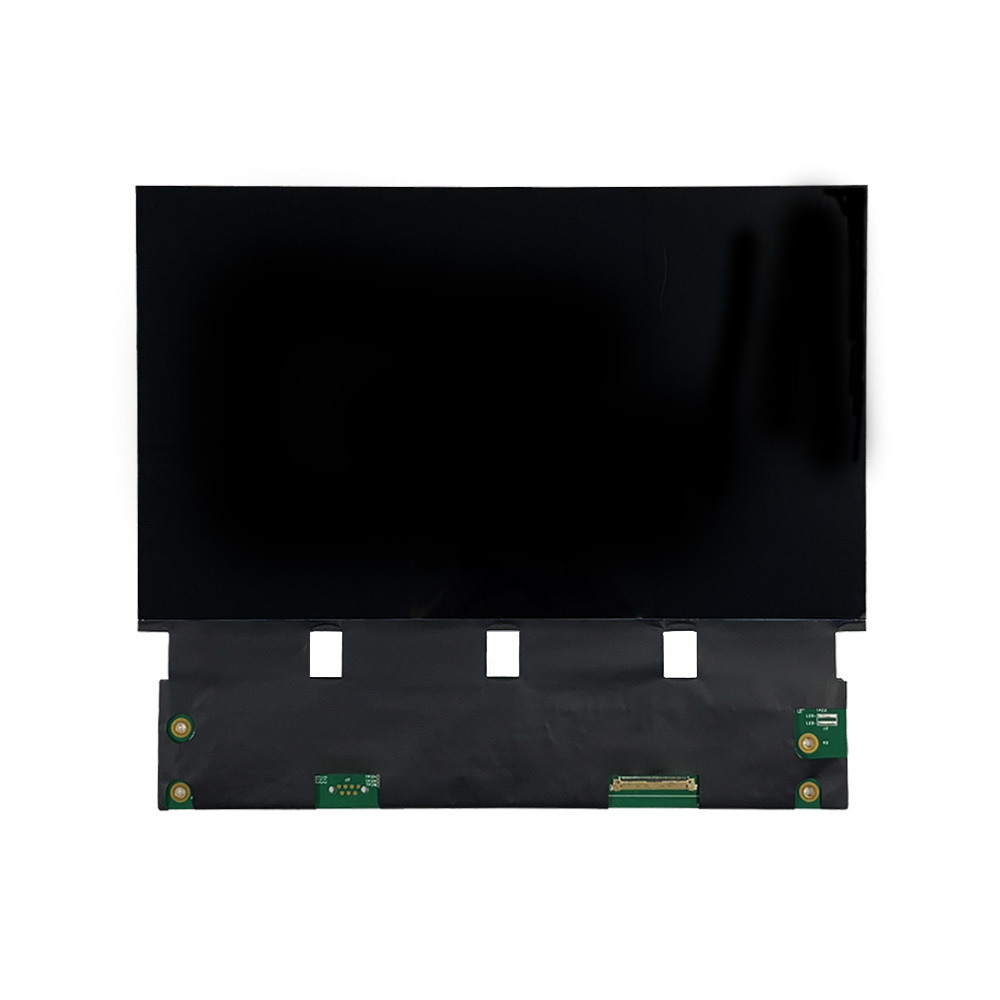
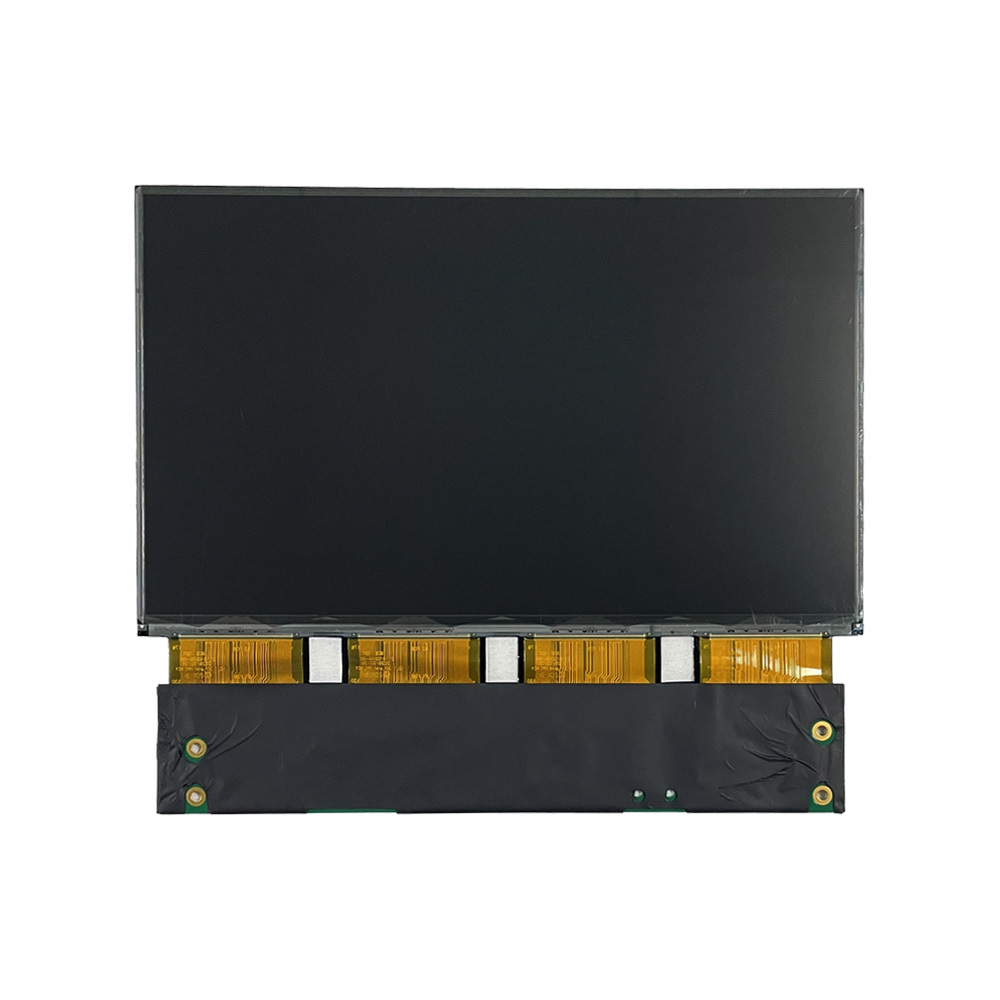
►Size:10.1
►Resolution:4920*2880 dots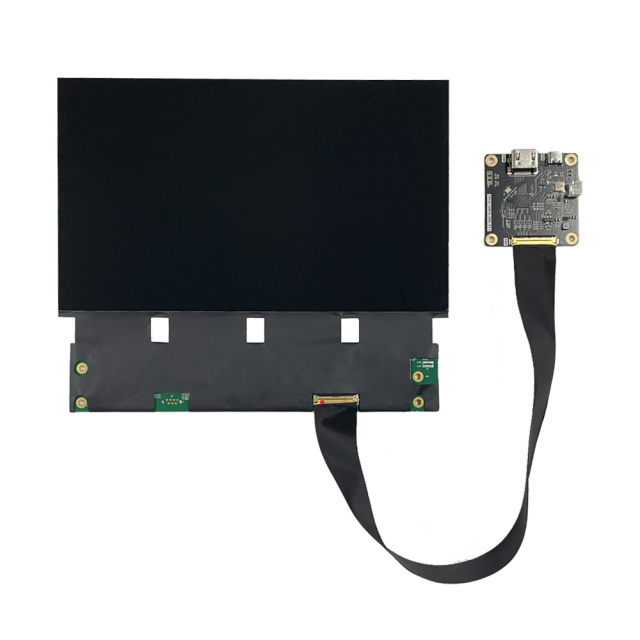
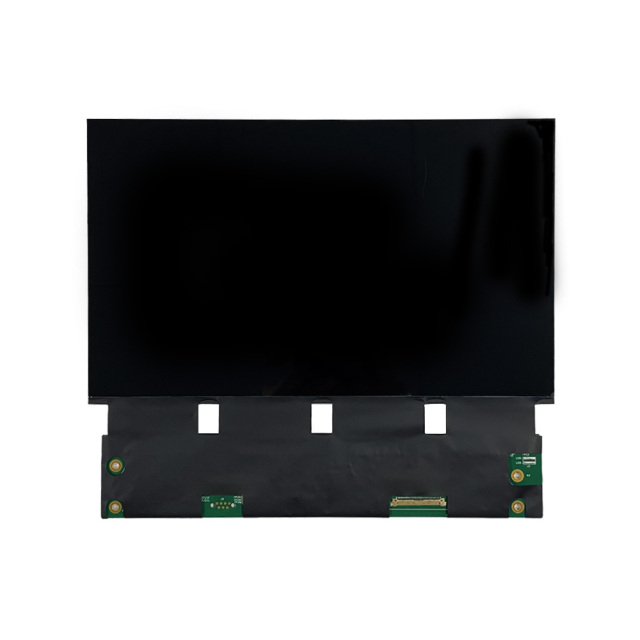
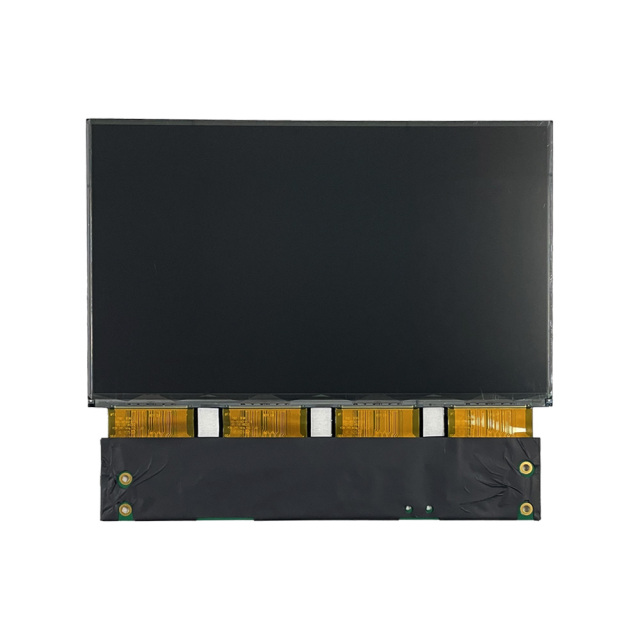
The RV101FBB-N02-V1 is a 10.1-inch ultra-high-resolution mono TFT-LCD module designed for professional 3D printing equipment, including resin-based SLA/DLP printers and other advanced additive manufacturing systems. With a native 4920 × 2880 pixel resolution, 45 × 45 μm pixel pitch, normally black transmissive display mode, and wide viewing angles of ≥80° in four directions, this mono LCD provides a high-density display platform for detailed printer interfaces, machine status monitoring, parameter visualization, and specialized 3D printing applications.
Manufactured and supplied by Shenzhen Aptus Technology Co., Limited, the RV101FBB-N02-V1 uses amorphous silicon TFT technology and a compact FOB structure. Its approximately 1.070 mm outline thickness makes it suitable for space-conscious equipment designs where display performance and mechanical integration must be considered together.
For 3D printer manufacturers, display engineers, equipment integrators, and procurement teams looking for a 10.1-inch high-resolution mono LCD module, the RV101FBB-N02-V1 provides a combination of high pixel density, wide viewing angles, low-reflection characteristics, compact construction, and defined environmental specifications.
The RV101FBB-N02-V1 provides a native resolution of 4920 × 2880 pixels in a 10.1-inch display area. Combined with a 45 × 45 μm pixel pitch, the panel is designed to reproduce fine graphical details and dense interface information.
For advanced 3D printer interfaces, this high pixel density can be used for detailed model previews, slicing information, layer status, machine parameters, process graphics, and diagnostic interfaces.
The high resolution also provides equipment manufacturers with greater flexibility when designing modern graphical user interfaces within a relatively compact display footprint.
The module uses an amorphous silicon TFT active-matrix architecture and supports 256 gray levels. Its monochrome configuration is intended for specialized equipment rather than general-purpose consumer displays.
A mono display can be particularly useful where the machine interface prioritizes technical information, high-density graphics, process status, and dedicated equipment visualization.
The RV101FBB-N02-V1 uses a normally black, transmissive display mode. This configuration can support high-contrast graphical interfaces with dark inactive states and clearly defined active information.
The actual perceived contrast and optical performance in a finished 3D printer will depend on the complete display stack, backlight, cover structure, optical films, and surrounding mechanical design.
The specified human-eye viewing angle is ≥80° in the Up, Down, Left, and Right directions.
This wide viewing characteristic allows operators to monitor the display from different positions around a printer instead of requiring a perfectly centered viewing position. This can be beneficial in professional workshops, laboratories, and production environments where machines may be observed from multiple angles.
The overall outline thickness is specified at approximately 1.070 mm.
A thin panel architecture gives mechanical engineers additional flexibility when designing compact printer housings, recessed display assemblies, and space-efficient control panels. Final installation should always be evaluated against the customer's mechanical stack-up, mounting method, FPC routing, thermal conditions, and protective structure.
Low-reflection characteristics can be beneficial in environments where ambient workshop lighting, overhead illumination, or nearby light sources may otherwise interfere with display readability.
For 3D printer applications, optical performance should be evaluated as a complete system rather than relying only on the LCD panel specification. Cover glass, surface treatment, optical films, enclosure geometry, and lighting conditions can all affect final readability.
| Parameter | Specification |
|---|---|
| Model | RV101FBB-N02-V1 |
| Display Type | Mono Active Matrix TFT-LCD |
| TFT Technology | Amorphous Silicon TFT |
| Structure | FOB |
| Diagonal Size | 10.1 inch |
| Resolution | 4920 × 2880 pixels |
| Pixel Pitch | 45 × 45 μm |
| Display Colors | 256 gray levels |
| Display Mode | Normally Black, Transmissive |
| Active Area | 221.43 × 129.60 mm |
| Overall Outline | 227.43 × 139.50 × 1.070 mm |
| Viewing Angle | U/D/L/R ≥80° / 80° / 80° / 80° |
| Operating Temperature | 0 °C to +70 °C |
| Storage Temperature | –10 °C to +80 °C |
| Key Features | Thin, lightweight, high contrast, low reflection, wide viewing angle |
| Compliance | RoHS |
| Target Application | 3D Printing and Specialized Equipment |
Specifications should be verified against the latest official Aptus technical documentation before design freeze or mass production.
The following electrical characteristics are reference values specified for engineering evaluation.
| Parameter | Symbol | Reference / Min. | Reference / Max. | Unit |
|---|---|---|---|---|
| LC Operating Voltage | Vop | 5.2 | 5.8 | V |
| Operating Temperature | Top | 0 | +70 | °C |
| Storage Temperature | Tst | –10 | +80 | °C |
| TFT Gate ON Voltage | VGH | — | 18 | V |
| TFT Gate OFF Voltage | VGL | — | –8 | V |
| TFT Common Electrode Voltage | VCOM | — | 4.56 | V |
Engineering note: VCOM should be optimized according to the customer's actual display driving conditions to achieve the required contrast ratio and minimize crosstalk. The values shown above are reference settings and should not be treated as a substitute for the latest product datasheet or system-level electrical validation.
The display is an important part of the human-machine interface of a modern 3D printer. Operators increasingly rely on the control panel to configure printing parameters, monitor progress, inspect models, review warnings, and access machine diagnostics.
The RV101FBB-N02-V1 addresses these requirements through several engineering characteristics.
Its 4920 × 2880 resolution provides a very high pixel density for an approximately 10.1-inch panel. This allows manufacturers to develop detailed user interfaces without requiring a physically large display.
The 45 μm pixel pitch supports fine image rendering, which can be useful when displaying small text, graphical controls, model previews, and technical information.
The wide ≥80° viewing angles can improve usability when an operator is standing beside or slightly away from the printer.
The thin 1.070 mm profile can help equipment designers develop compact enclosures while maintaining a large active display area.
The 0 °C to +70 °C operating temperature range provides a defined environmental range for equipment integration, while the –10 °C to +80 °C storage specification supports transportation and storage requirements within the specified conditions.
The RV101FBB-N02-V1 can be evaluated as a high-resolution user interface for professional SLA equipment.
Typical information displayed on the control panel may include model previews, printing progress, layer information, exposure parameters, machine status, error notifications, and system settings.
The high resolution allows detailed information to be presented in a compact control-panel format.
DLP and other resin-based printing platforms can require high-information-density interfaces for exposure settings, printing parameters, model management, and machine monitoring.
The mono architecture and normally black display mode make the module suitable for specialized interface designs where monochrome presentation is preferred.
For systems involving UV illumination, final optical compatibility should be evaluated at the system level according to the specific light source, optical path, wavelength, filters, protective layers, and mechanical structure.
Professional desktop printers often need to balance display size with enclosure dimensions.
At 10.1 inches, the RV101FBB-N02-V1 provides a substantial active area while maintaining a relatively thin panel structure. This makes it suitable for control interfaces where the manufacturer wants a large, information-rich display without using a significantly thicker display assembly.
The module can also be considered for specialized additive manufacturing systems that require a dedicated high-resolution monochrome display.
Possible functions include machine status monitoring, process information, diagnostic interfaces, maintenance menus, and operator instructions.
In some equipment architectures, the display can function as a secondary information screen alongside another display or monitoring system.
Potential applications include process status, print-bed monitoring, diagnostic information, machine parameters, and camera-related interfaces, depending on the customer's electronics and software architecture.
Selecting an LCD module for professional 3D printing equipment requires consideration of more than resolution.
Engineers should evaluate the 227.43 × 139.50 × 1.070 mm outline together with the enclosure, mounting structure, FPC routing, protective cover, and internal components.
A detailed mechanical drawing should be reviewed before tooling or final enclosure design.
The final visual performance depends on the complete optical system. Backlight characteristics, optical films, cover materials, surface treatment, ambient illumination, and enclosure geometry can all affect readability.
For resin and UV-based printing systems, the display should also be evaluated against the customer's specific optical architecture.
The specified operating temperature is 0 °C to +70 °C. Engineers should verify the actual temperature around the LCD during continuous operation, particularly in enclosed printer architectures where LEDs, driver electronics, power supplies, motors, and UV systems can generate heat.
VCOM and other electrical parameters should be evaluated during system integration. Proper tuning can help optimize contrast and reduce unwanted crosstalk under the customer's actual driving conditions.
Shenzhen Aptus Technology Co., Limited provides display products and customized display solutions for professional equipment manufacturers and specialized applications.
Aptus's product capabilities include TFT-LCD modules, mono LCD solutions, touch panel solutions, display accessories, and customized display assemblies.
For customers developing 3D printing equipment, display selection can involve multiple engineering variables, including resolution, pixel pitch, optical performance, mechanical dimensions, temperature requirements, driver configuration, FPC structure, and system-level integration.
Aptus supports customers through technical evaluation, sample assessment, product selection, customization discussions, and volume supply.
From an EEAT perspective, technical product information should be based on documented specifications and engineering validation rather than generic claims. For the RV101FBB-N02-V1, key characteristics such as resolution, pixel pitch, dimensions, viewing angle, operating temperature, electrical characteristics, and RoHS compliance are identified so that engineers and procurement teams can evaluate the product against their project requirements.
Customers should request the latest revision of the technical documentation when moving from prototype evaluation to production.
Yes. The module is designed for applications including 3D printing and can be evaluated for SLA, DLP, resin, professional desktop, and specialized additive manufacturing equipment.
The native resolution is 4920 × 2880 pixels.
The pixel pitch is 45 × 45 μm.
The active area is 221.43 × 129.60 mm.
The specified outline dimensions are approximately 227.43 × 139.50 × 1.070 mm.
Yes. The specified human-eye viewing angle is ≥80° in the Up, Down, Left, and Right directions.
The operating temperature range is 0 °C to +70 °C, while the storage temperature range is –10 °C to +80 °C.
The RV101FBB-N02-V1 is specified as a normally black, transmissive TFT-LCD.
The module is specified with 256 gray levels.
Yes. The product specifications identify the module as RoHS compliant.
Customers can contact Aptus to discuss project-specific requirements, including mechanical integration, optical matching, electrical configuration, FPC requirements, and volume supply.
If your company is developing a high-resolution SLA, DLP, resin, or professional 3D printer, the RV101FBB-N02-V1 provides a specialized 10.1-inch mono LCD platform for engineering evaluation.
When requesting technical support, it is useful to provide the target printer architecture, required display dimensions, operating temperature, optical requirements, driver configuration, expected annual volume, and mechanical constraints.
Aptus can then help evaluate whether the RV101FBB-N02-V1 is appropriate for your application and provide the relevant technical documentation for the next stage of development.
For samples, technical drawings, electrical specifications, project evaluation, customization requirements, and volume purchasing, contact the Aptus Display engineering and sales team through the official website.
The RV101FBB-N02-V1 10.1-inch 4920 × 2880 mono TFT-LCD module combines ultra-high resolution, 45 μm pixel pitch, wide viewing angles, normally black transmissive operation, thin construction, and a defined operating temperature range in a specialized display solution for advanced 3D printing equipment.
👉 Request a quote or sample
📧 Or email us directly: info@aptusdisplay.com
Click here for the complete product catalog