
Introduction: The 7-inch 720x720 custom LCD display offers 500 nits brightness, 30,000+ hours backlight life, and operates from –20°C to +70°C for reliable flight simulation visuals.
Ignoring the details of specialized display technology in flight simulators can lead to inadequate training outcomes and user frustration. Pilots expect realism that closely replicates actual cockpit instruments, and any failure in screen performance—such as poor brightness, reduced reliability, or instability during use—can compromise this experience. This is where a custom lcd display like the 7-inch 720x720 model from an experienced lcd display manufacturer becomes essential. These carefully engineered displays meet the demanding standards of flight simulation with precision, bridging the gap between simulation limitations and professional training needs by ensuring cockpit visuals remain accurate and dependable.
Flight simulators often operate in enclosed spaces where lighting conditions can vary, and maintaining consistent screen visibility is critical to realistic training. The custom lcd display featured here is designed with brightness calibration specifically tuned for these environments, providing 500 nits of luminance. This level of brightness ensures the TFT-LCD module remains clearly legible even under dim room lighting without causing eye strain or washout effects. As a leading lcd display manufacturer, Shenzhen Aptus Technology Co., Ltd understands that the precise calibration of brightness must also support the square 7-inch 720x720 resolution format, which is crucial for displaying circular cockpit gauges accurately without distortion. The wide viewing angle further guarantees that colors and contrast hold steady regardless of the user’s position relative to the screen. By offering such careful optimization, lcd display manufacturers like Aptus enable flight simulators to replicate instrument panel realness and provide trainees with consistent visual cues crucial for orientation and situational awareness inside the cockpit environment.
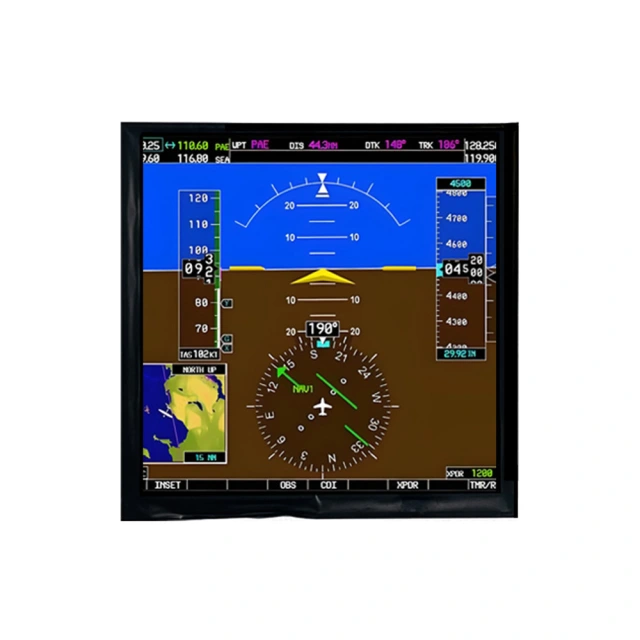
Extended training hours demand displays that not only perform well but also maintain reliable functionality over time. The choice of backlighting technology in this custom lcd display supports a lifetime exceeding 30,000 hours, a vital consideration for flight simulators running continual sessions day after day. This longevity is a significant feature provided by dedicated lcd display manufacturers who emphasize durability and consistent performance under stress. Since flight simulators are expected to be operational for long stretches without interruption, any display flicker or failure can disrupt training flow and compromise instructional quality. Shenzhen Aptus Technology’s approach to integrating a TFT LCD panel with a well-engineered control board ensures heat management and power efficiency, reducing the risk of premature backlight degradation. Moreover, this dependable backlight longevity removes the frequent maintenance cycles and potential downtime that would otherwise interrupt training schedules. Selecting a custom lcd display with superior backlight reliability is therefore a practical investment that supports uninterrupted, realistic flight practice.
The operating environment of flight simulators can expose displays to variable temperatures, and maintaining stable screen output in such conditions is critical. The showcased 7-inch custom lcd display is designed to function reliably across a wide operating temperature range from –20°C to +70°C. This robust range ensures that temperature fluctuations do not affect color accuracy, brightness consistency, or response time, which are all vital for stable flight instrument representation. As a reputable lcd display manufacturer, Aptus dedicates engineering resources to thermal performance to prevent heat-induced pixel shifts or cold-induced sluggishness in display response. This stability benefits both professional training modules used in controlled indoor settings and simulator setups that may experience less predictable thermal environments. Reliable temperature tolerance safeguards against unexpected display failures or visual artifacts, maintaining the integrity of the training visuals. In essence, this carefully specified temperature resilience is an indication of how lcd display manufacturers address the practical demands of intensive flight simulation applications, delivering clarity and accuracy no matter the operational climate.
The value of a thoughtfully engineered custom lcd display from experienced lcd display manufacturers is evident in its integration of multiple performance criteria critical for flight simulation. Its calibrated brightness ensures clear visibility in enclosed cabins, while a long-lasting backlight supports sustained training sessions without interruption. A wide operating temperature range guarantees consistent display performance across environmental conditions. These features ensure precise instrument rendering and reliability, enhancing the immersive experience critical for pilot training. Such displays balance technical demands with user needs, reflecting manufacturers like Shenzhen Aptus Technology's commitment to quality and adaptable flight simulation solutions.

