
Introduction: The 7-inch 720x720 TFT LCD offers precise, durable, and reliable display performance with 500 nits brightness and over 30,000 hours backlight life for aviation simulators.
In the complex world of aviation training, the tools used to replicate real flight conditions must be both precise and reliable. With myriad display options flooding the market, trainers often face confusion when selecting a screen that accurately renders cockpit instruments. A custom lcd display, designed specifically for flight simulators, addresses this choice overload by providing clarity and accuracy tailored to aviation needs. This level of specificity is something that lcd display manufacturers like Shenzhen Aptus Technology Co., Ltd have embraced, offering modules that fit the unique demands of flight training.
Aptly designed by an lcd display manufacturer with flight simulation in mind, the 7-inch square LCD boasts a 720 x 720 resolution that perfectly suits the display of circular gauges critical in aviation. Most traditional rectangular screens struggle to render round instruments without distortion, but this square format with a 1:1 aspect ratio preserves geometric accuracy, essential for realistic cockpit representation. With a brightness of 500 nits, the display remains clearly visible in the varied lighting conditions of a simulator’s enclosed environment. The wide viewing angle further ensures that colors and contrast remain consistent regardless of the user’s position, enhancing the immersive training experience. As a trusted partner among lcd display manufacturers, the company also integrates TFT LCD technology with a reliable control board, combining visual precision with streamlined functionality. This tailored approach means that simulation instructors and engineers can count on high-definition, responsive imagery, reinforcing training efficiency and realism.
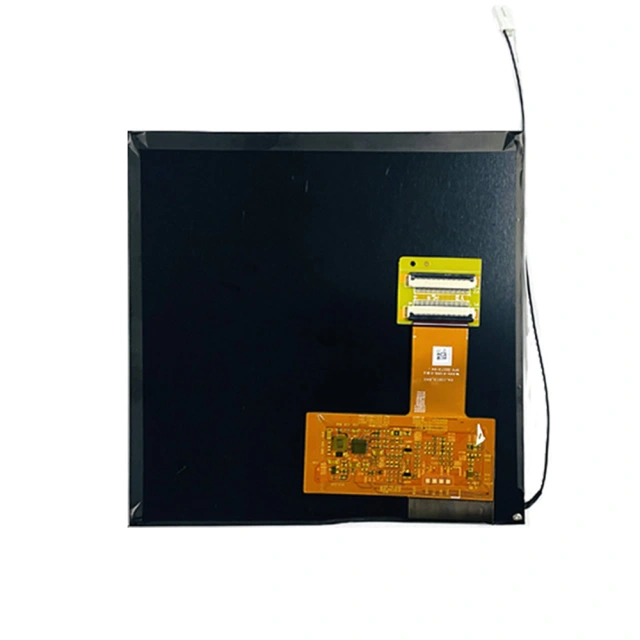
The integration of a standard embedded LVDS 40-pin interface in this custom lcd display simplifies the connection process within flight simulation hardware, which often involves complex arrangements of various components. Modern training setups benefit from this high-speed data transfer interface that supports stable image transmission with reduced electromagnetic interference. Such efficiency not only improves the visual output but also aligns with the compact and precise requirements of professional-grade simulators. When working with an lcd display manufacturer experienced in aviation needs, the reliability of hardware compatibility is a key asset that reduces downtime and technical difficulties. LVDS interfaces promote modularity, enabling easier upgrades and maintenance without disrupting overall simulator performance. This facilitates more flexible system designs where simulation modules carrying attitude indicators, engine gauges, or multifunction displays can be swapped or serviced with minimal hassle. The seamless collaboration between screen technology and flight hardware promotes a cohesive user experience, ensuring trainees receive consistent feedback from every instrument represented on the screen.
Sustained usage during prolonged aviation training sessions demands robust display performance, and this custom lcd display is engineered accordingly. Capable of operating reliably in temperatures ranging from –20°C to +70°C, it can be deployed in various training environments, including those with less controlled ambient conditions. Its backlight longevity, exceeding 30,000 hours, highlights a focus on enduring illumination without significant degradation, a critical attribute for continuous simulator operation. This durability reduces the risk of unexpected device failure, thus avoiding interruptions in highly scheduled training programs. Reputable lcd display manufacturers recognize the importance of this reliability in professional applications where equipment downtime carries operational risks and additional expenses. The use of TFT LCD technology further supports stable screen function over time, maintaining image quality and brightness at consistent levels. Combining these features makes the display well-suited for integration into flight simulators used for rigorous daily training, where precise instrument feedback is vital. The product’s endurance contributes directly to smoother training cycles and lower maintenance burdens, making it a trusted choice among simulation professionals.
Developed by accessory-minded lcd display manufacturers, this aviation screen not only meets strict visual and technical standards but also reduces uncertainty surrounding performance over extended usage. For flight simulation trainers navigating the complexities of display options, adopting such a custom lcd display offers assurance rooted in tested design and compatibility. The focus on geometric fidelity, interface integration, and operational resilience paints a confident picture for the future of simulator hardware. When simulation environments demand consistent, precise instrument visualization without frequent technical setbacks, devices following these specifications strongly support ongoing educational success and hardware stability.

