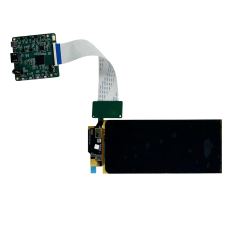
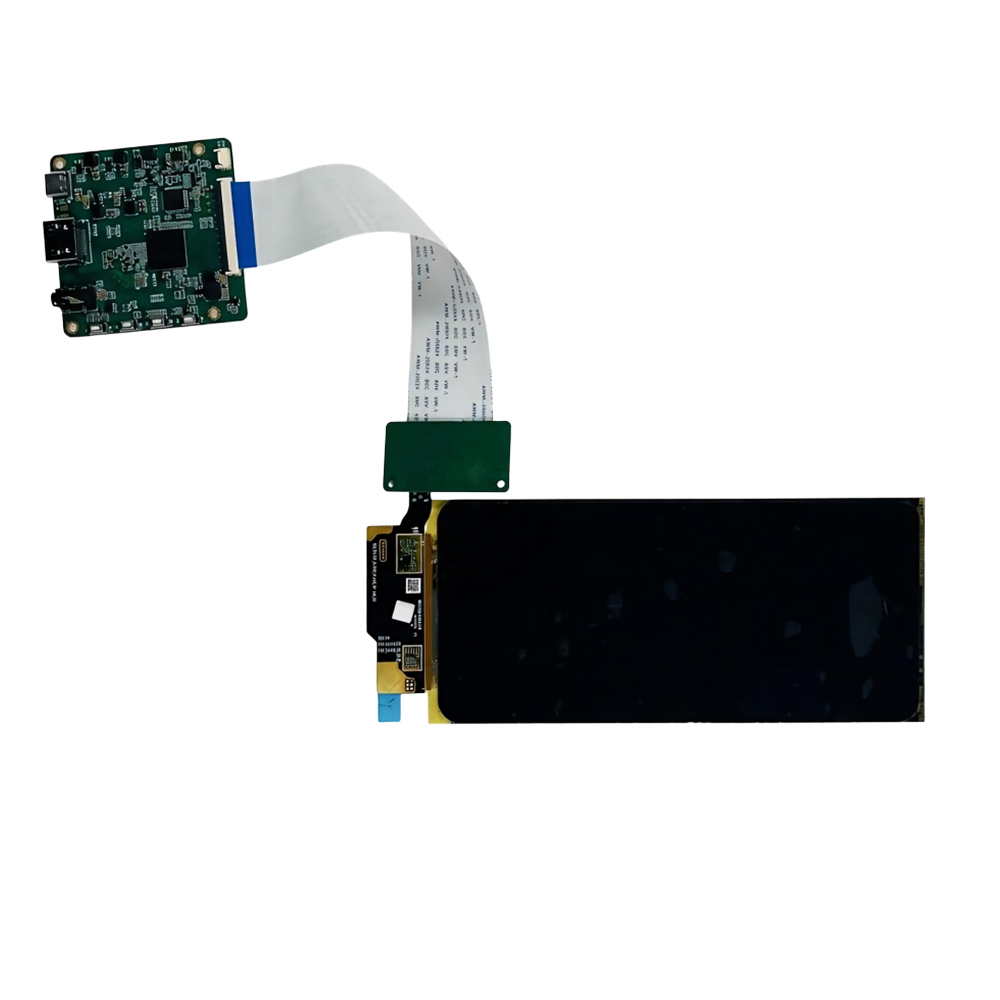
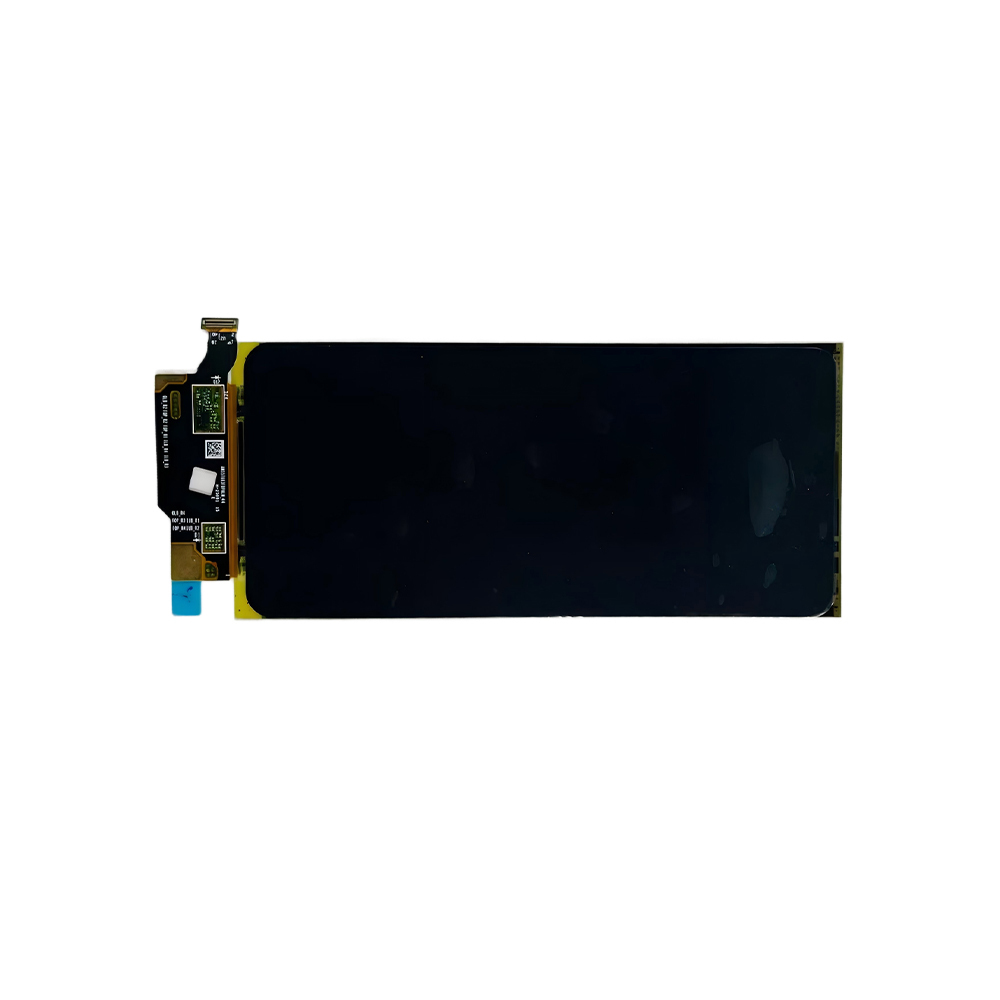
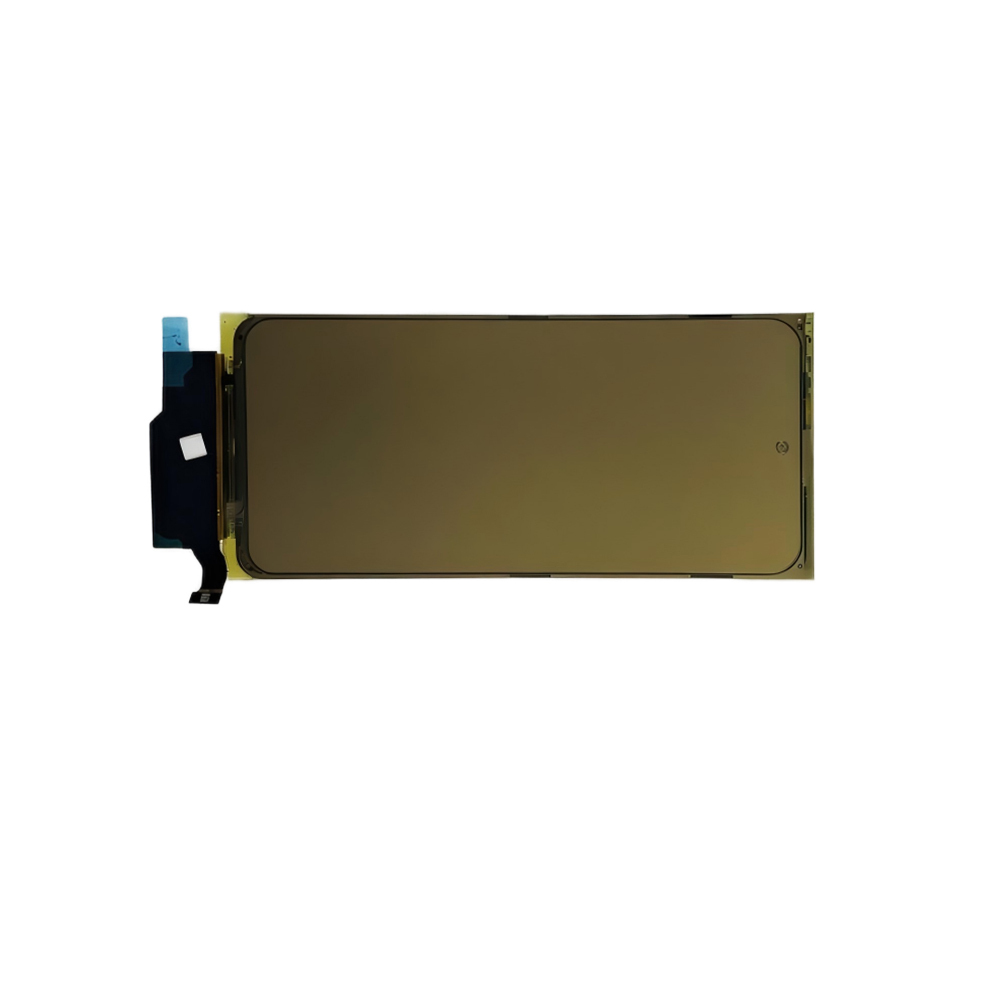
6.83-inch flexible AMOLED display with 1280×2772 resolution, 120Hz refresh rate, 99.5% DCI-P3 color gamut, integrated TDDI touch, and slim panel structure for customized electronic devices.

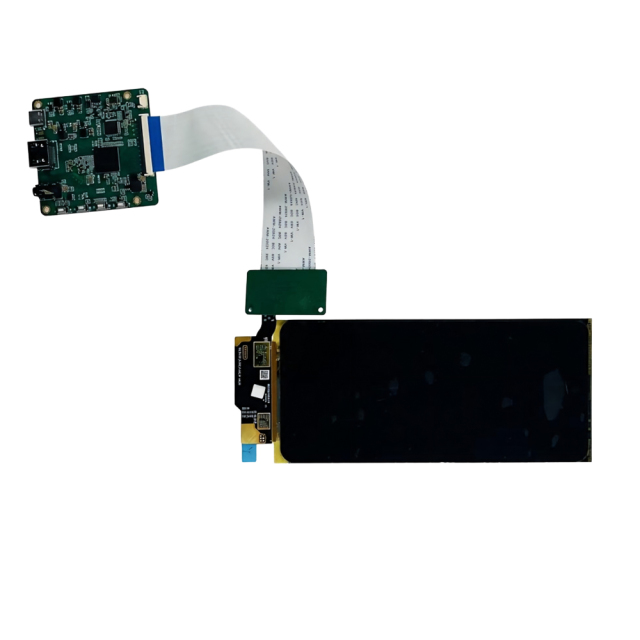
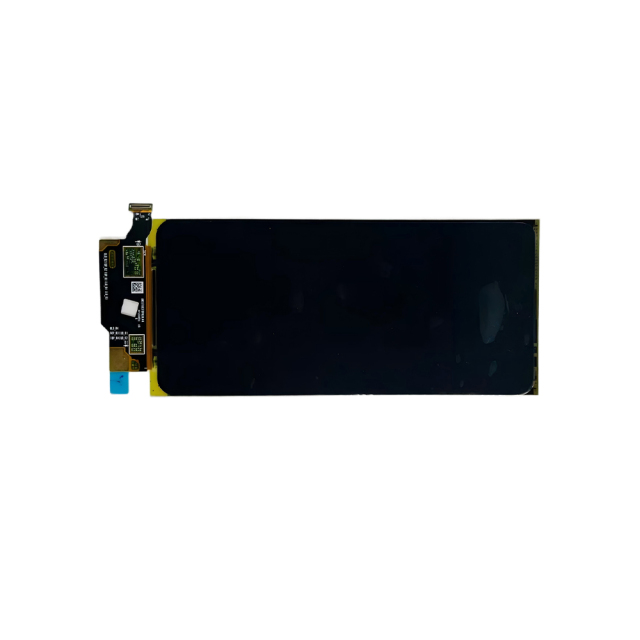
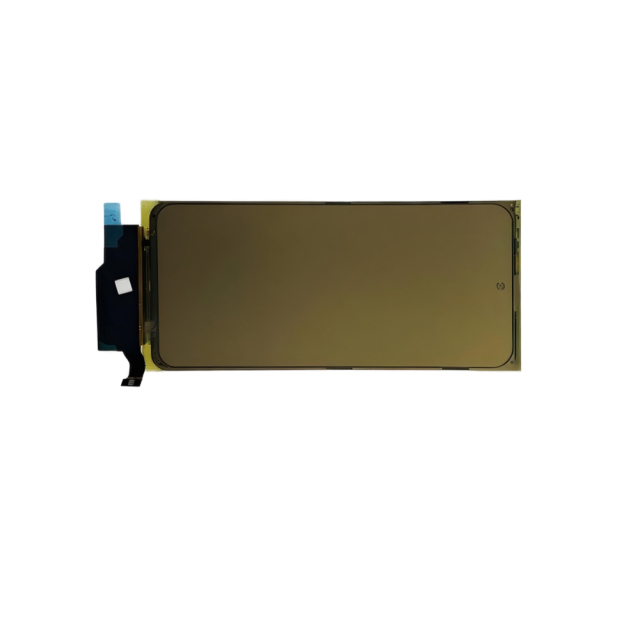
The APTUS 6.83-inch flexible AMOLED display module is designed for electronic products requiring a slim display structure, high-resolution visual output, smooth motion, rich color reproduction, and integrated touch functionality. Featuring a 1280 × 2772 resolution, LTPS AMOLED technology, and a refresh rate of up to 120Hz, this display module provides a detailed and responsive visual experience for modern electronic device designs.
With its flexible AMOLED panel structure, ultra-thin construction, and integrated TDDI touch solution, this module offers greater flexibility for product design and display integration. The self-emissive AMOLED technology delivers deep black levels, high contrast, and vivid colors, making it suitable for advanced handheld devices, portable electronics, multimedia products, and customized display applications where display quality and compact design are important.
The module supports 60Hz, 90Hz, and 120Hz refresh rates, allowing developers to select an appropriate display operating mode according to application requirements, system performance, and power consumption considerations. Its 99.5% DCI-P3 color gamut coverage further supports applications that require rich color reproduction and detailed visual presentation.
Flexible AMOLED Panel Structure
The AMOLED panel features a flexible display structure that supports slim product designs and provides greater flexibility for display integration. Its mechanical configuration is designed for applications requiring compact dimensions and a thin display profile. The panel's bending-related construction should be evaluated according to the specified mechanical design and assembly requirements.
High-Resolution 1280 × 2772 Display
With a resolution of 1280 × 2772 pixels, this 6.83-inch AMOLED display provides detailed image reproduction, clear text rendering, and a high-density visual presentation. The resolution is suitable for interfaces containing graphics, text, icons, multimedia content, and detailed user interface elements.
60Hz, 90Hz, and 120Hz Refresh Rate Support
The display supports multiple refresh-rate operating modes, including 60Hz, 90Hz, and 120Hz. Higher refresh rates enable smoother visual transitions, scrolling, animation, and motion content when supported by the host system and software configuration.
AMOLED Self-Emissive Display Technology
Unlike conventional LCD modules that require a separate backlight, AMOLED technology uses self-emissive pixels. This enables individual pixels to control their own light output, supporting deep black levels, high contrast, and vivid color presentation. These characteristics can enhance the visual appearance of multimedia content and dark-themed user interfaces.
99.5% DCI-P3 Color Gamut Coverage
The module provides 99.5% DCI-P3 color gamut coverage according to its specification. A wide color gamut enables the display to reproduce a broad range of colors, supporting applications involving photographs, videos, graphics, and visually rich user interfaces.
Integrated TDDI Touch Solution
The display integrates the NT38771 driver and touch IC using a TDDI architecture. Integrating display-driving and touch-control functions helps simplify the display module configuration and supports compact electronic device designs requiring both visual output and touch interaction.
Slim and Lightweight Construction
With a typical thickness of approximately 1.092 mm and a typical module weight of 28.22 g without the protective film, the display supports compact product structures where thickness and weight are important design considerations.
| Parameter | Specification |
|---|---|
| Model Number | DBT068DEC40M060A |
| Display Size | 6.83 inch |
| Display Technology | AMOLED |
| Panel Technology | LTPS |
| Panel Structure | Flexible AMOLED |
| Resolution | 1280 × 2772 pixels |
| Refresh Rate | 60Hz / 90Hz / 120Hz |
| Display Driver IC | NT38771 |
| Touch IC | NT38771 |
| Driver and Touch Architecture | TDDI |
| IC Location | COP |
| Touch Sensor | DOT |
| Display Interface | MIPI D-PHY |
| Touch Interface | SPI |
| Normal Luminance | 600 nits typical |
| HBM Luminance | 1800 nits typical |
| Peak Luminance | 3200 nits at 25% OPR |
| Minimum Luminance | 2 nits typical |
| Color Gamut | 99.5% DCI-P3 |
| Response Time | 1.2 ms typical, first-frame on/off |
| Display Width | 75.73 mm typical |
| Display Height | 160.905 mm typical |
| Thickness Without Protective Film | 1.092 mm typical |
| Weight Without Protective Film | 28.22 g typical |
Brightness specifications are provided for technical reference. Peak luminance is specified under a 25% OPR condition and should not be interpreted as sustained full-screen brightness. Actual operating performance depends on display mode, system configuration, and operating conditions.
Flexible AMOLED technology offers different structural possibilities from conventional rigid display panels. The flexible panel construction can support display integration requirements involving slim product profiles, customized mechanical structures, and specific industrial design considerations.
For product developers, the selection of a flexible AMOLED display is not only about resolution and color performance. Display thickness, panel construction, touch integration, electrical interfaces, mechanical dimensions, and assembly requirements must all be considered during the development process.
The DBT068DEC40M060A combines a 6.83-inch AMOLED panel with a thin module structure and integrated touch functionality. Its compact construction can help product designers optimize internal space and develop electronic devices with a more streamlined appearance.
Flexible display technology may also support certain curved product configurations when the mechanical design, bonding process, and installation conditions are compatible with the panel specifications. However, the module should not be treated as an unrestricted foldable display. Bending radius, bending direction, bending cycles, and mechanical stress limitations must be confirmed before designing a product that involves bending the display.
The 1280 × 2772 resolution provides a high-density display area for sophisticated user interfaces and multimedia content. This resolution enables designers to present detailed graphics, text, data visualization, images, and application interfaces within a compact display form factor.
For electronic devices with information-intensive interfaces, display resolution influences how clearly information can be presented. High-resolution AMOLED technology can support detailed UI layouts, small text elements, fine graphics, and visually refined interface designs.
The 6.83-inch display format offers a practical balance between viewing area and product size. It can be considered for handheld electronic products, portable multimedia devices, advanced control interfaces, and customized OEM electronic products requiring a large display area within a compact enclosure.
When developing an application, engineers should also evaluate the host processor, graphics pipeline, display driver configuration, refresh-rate support, and software rendering performance to ensure the complete system can effectively utilize the display's resolution and refresh rate.
The module supports 60Hz, 90Hz, and 120Hz display operating frequencies. Refresh-rate selection can influence the visual experience of animated interfaces, scrolling content, motion graphics, and supported multimedia applications.
A 120Hz refresh rate provides the capability for more frequent image updates compared with conventional 60Hz operation. When the host system can consistently generate and deliver frames at the selected refresh rate, the display can support smoother motion and more responsive visual transitions.
The 60Hz and 90Hz modes provide additional configuration flexibility for applications with different performance requirements. Developers can evaluate refresh-rate selection based on application behavior, software compatibility, processing capability, and power consumption.
For product development, refresh rate should be considered as part of the complete display system rather than an isolated panel feature. The host processor, display interface bandwidth, timing configuration, software environment, and application rendering capability must all be compatible with the selected operating mode.
The flexible AMOLED module features 99.5% DCI-P3 color gamut coverage, supporting a wide range of color reproduction for visually rich content. Wide color gamut performance is particularly relevant to applications involving multimedia playback, image presentation, graphical user interfaces, and content where color appearance is important.
AMOLED technology also provides self-emissive pixels, allowing individual pixels to emit light without a conventional backlight. When displaying black, pixels can be switched off or operated at very low emission levels, supporting deep blacks and high contrast.
These display characteristics provide opportunities for developers to create visually appealing interfaces with different background styles, colorful graphics, high-contrast elements, and detailed multimedia content.
For color-sensitive applications, developers should consider the complete color management process, including content color space, display calibration, operating system configuration, and application-level color processing. Panel color gamut coverage alone does not guarantee identical color appearance across different devices or operating environments.
The DBT068DEC40M060A incorporates the NT38771 display driver and touch IC using an integrated TDDI architecture. This configuration combines display-driving and touch-control functions within the display module's electronic architecture.
Integrated touch functionality makes the module suitable for electronic products requiring interactive user interfaces, including menu navigation, settings control, application operation, and graphical interaction.
The display uses a MIPI D-PHY interface for display communication and an SPI interface for touch communication, according to the product specification.
During system integration, developers should verify interface compatibility, signal configuration, power requirements, initialization sequences, touch communication, and driver availability. Host-side software and hardware configuration must be matched to the module's technical requirements.
A successful integration process requires more than selecting a compatible resolution. Display initialization, timing parameters, interface configuration, touch communication, and system-level performance should be validated during the prototype stage.
The 6.83-inch flexible AMOLED display module can be considered for customized electronic products that require a slim display structure, detailed visual output, rich color reproduction, and integrated touch interaction.
Portable Electronic Devices
Portable electronic products can benefit from the module's compact thickness, lightweight structure, high resolution, and integrated touch functionality. The display can be evaluated for customized handheld devices and portable electronic equipment requiring a detailed visual interface.
Multimedia and Entertainment Devices
The combination of high resolution, AMOLED contrast performance, wide color gamut, and multiple refresh-rate options makes the module suitable for multimedia-oriented electronic products. Application requirements may include image presentation, video playback, graphical interfaces, and interactive content.
Smart Interactive Devices
Touch-enabled electronic devices can use the integrated TDDI architecture to support interactive interfaces. Potential design applications include customized smart devices, handheld control equipment, interactive electronic products, and application-specific user interfaces.
Premium Electronic Product Designs
The slim module structure and flexible panel construction may support product designs that prioritize compact dimensions, streamlined appearance, and display integration flexibility. Mechanical compatibility must be evaluated for each specific enclosure and assembly design.
Customized OEM and ODM Products
OEM and ODM developers can evaluate this AMOLED module for electronic products requiring customized display integration. Product development considerations may include display dimensions, interface compatibility, touch functionality, enclosure design, software configuration, and manufacturing requirements.
The final application suitability depends on the complete product design, including mechanical structure, electrical configuration, operating environment, and display integration requirements.
The module has a typical width of 75.73 mm and a typical height of 160.905 mm. Its typical thickness is 1.092 mm without the protective film, while the typical weight is 28.22 g without the protective film.
These dimensions make the module suitable for evaluation in compact electronic product structures where display thickness and weight are important considerations.
Because the product uses a flexible AMOLED panel structure, engineers should pay particular attention to assembly conditions, mechanical support, bonding processes, cable routing, and stress distribution.
The product specification distinguishes the active-area dimensions before bending from the outline dimensions after bending with UV glue. This means mechanical drawings and installation conditions should be reviewed carefully before finalizing the enclosure design.
The display module should not be twisted or bent during assembly, and unsuitable external forces must be avoided. Any proposed bending configuration or curved integration design should be evaluated against the supplier's approved mechanical requirements.
APTUS provides display sourcing, product selection, technical communication, and customized display solution support for OEM and ODM customers developing electronic products.
For AMOLED display integration, project evaluation can include:
Display resolution and pixel configuration requirements
Refresh-rate selection and system performance
MIPI D-PHY interface compatibility
Touch interface and control requirements
Power supply and electrical configuration
Mechanical dimensions and enclosure integration
Display initialization and driver configuration
Application-specific display functionality
Prototype evaluation and sample availability
Customized product development requirements
The appropriate display solution depends on the target product, system architecture, manufacturing requirements, and project specifications. Customers are encouraged to confirm technical compatibility and mechanical requirements before beginning mass-production design.
APTUS has been engaged in the LCD display industry since 2014, providing display products, technical support, and customized display solutions for customers worldwide.
The company works with display product development, sourcing, manufacturing coordination, and application engineering requirements to support OEM and ODM projects. With an experienced R&D team and ISO 9001 quality management certification, APTUS supports customers throughout display selection, technical evaluation, sample testing, and project development.
APTUS product offerings include TFT LCD modules, touch panel LCD modules, display control boards, driver boards, FPC cables, backlight components, and integrated display solutions. The company also provides customized display services involving resolution, brightness, interface, touch functionality, operating temperature, mechanical structure, and bonding requirements.
For AMOLED display projects, APTUS can assist customers with product selection, specification evaluation, technical communication, and sourcing support according to project requirements and product availability.
With worldwide shipping and sample support, APTUS helps international customers evaluate display modules for new product development, prototype construction, and OEM/ODM applications.
What is a flexible AMOLED display?
A flexible AMOLED display is an organic light-emitting diode display built on a flexible substrate. Unlike conventional rigid display structures, flexible AMOLED technology supports a flexible panel construction that can provide additional possibilities for slim product designs and certain curved display integration configurations, subject to mechanical limitations.
What is the resolution of this 6.83-inch AMOLED display?
The DBT068DEC40M060A features a resolution of 1280 × 2772 pixels, providing a high-resolution display area for detailed graphics, text, multimedia content, and interactive user interfaces.
Does this AMOLED module support 120Hz?
Yes. The module supports 60Hz, 90Hz, and 120Hz operating modes. The actual refresh-rate implementation depends on host system compatibility, display configuration, and software performance.
Does the display include touch functionality?
Yes. The module integrates the NT38771 display driver and touch IC using a TDDI architecture. Its display interface is MIPI D-PHY, while the touch interface is SPI.
What is the color gamut of this AMOLED display?
The module supports 99.5% DCI-P3 color gamut coverage according to the product specification. This supports wide-color reproduction for multimedia content, graphics, and visually rich user interfaces.
Is this display suitable for foldable electronic devices?
The module features a flexible AMOLED panel structure, but it should not automatically be considered a foldable display. Bending radius, bending direction, mechanical stress, and bending-cycle requirements must be confirmed with the supplier before designing a foldable product.
Can the display be used in curved product designs?
Certain curved display integration configurations may be possible depending on the panel structure and mechanical design. Customers should confirm the permitted bending conditions, bonding process, and mechanical limitations before implementation.
What is the thickness of this AMOLED display module?
The typical thickness is 1.092 mm without the protective film. The actual thickness may vary within the specified tolerance and according to the mechanical configuration.
Does APTUS provide samples for product development?
Sample availability can be confirmed according to product availability and project requirements. Customers can contact APTUS to discuss display evaluation, interface compatibility, technical specifications, and prototype development.
Can APTUS provide customized display solutions?
APTUS supports customized display solutions according to project requirements, including display selection, interface configuration, touch functionality, mechanical structure, and related display components. Specific customization possibilities depend on the product platform and technical feasibility.
If you are developing a portable electronic device, multimedia product, interactive interface, or customized OEM/ODM electronic product requiring a flexible AMOLED display, the APTUS 6.83-inch AMOLED module provides a combination of high resolution, multiple refresh-rate options, wide color gamut, integrated touch, and a slim panel structure.
Contact APTUS to request product specifications, confirm sample availability, discuss display integration requirements, and evaluate whether the DBT068DEC40M060A is suitable for your project.
APTUS provides display solution support to help customers evaluate display technologies, select appropriate modules, and develop customized electronic products for different application requirements.
👉 Request a quote or sample
📧 Or email us directly: info@aptusdisplay.com
Click here for the complete product catalog